
Shockwave Therapy
Shockwave therapy (SWT) uses focused acoustic sound waves, delivered through the skin with a handheld device, to address pain in muscles, tendons and joints.
Service
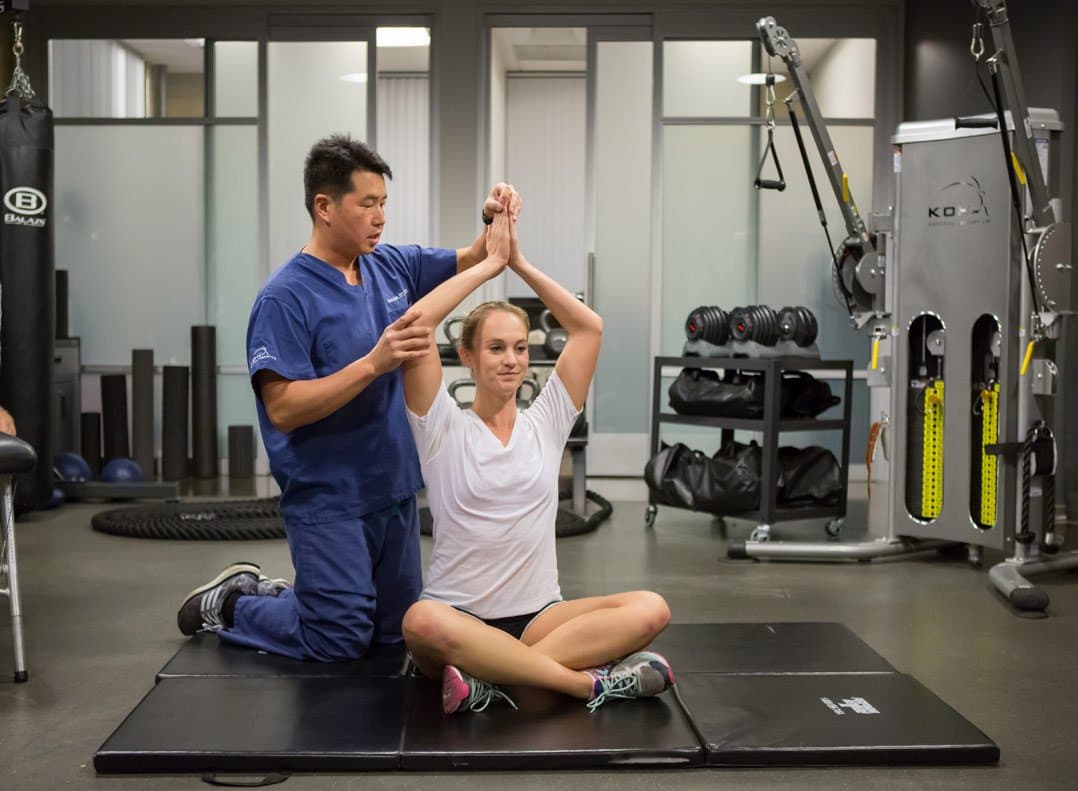
Fascia is the connective tissue that surrounds and links muscles throughout the body. Fascia stretching therapy is centered on this whole connective tissue system rather than on single muscles.
Your therapist examines how you move actively, passively and against resistance in functional movements. Treatment starts at the deepest level of fascia and works up through the layers to the surface, with the aim of restoring healthy nerve and muscle mechanics and reactivating muscles that have been inhibited.
At KOH Physical Therapy Lab, fascia stretching is used as one part of an individualized plan, often alongside exercise and other treatments such as shockwave therapy, kinesiology taping, fascial manipulation, and cold laser therapy.
Benefits
Who it is for
The technique
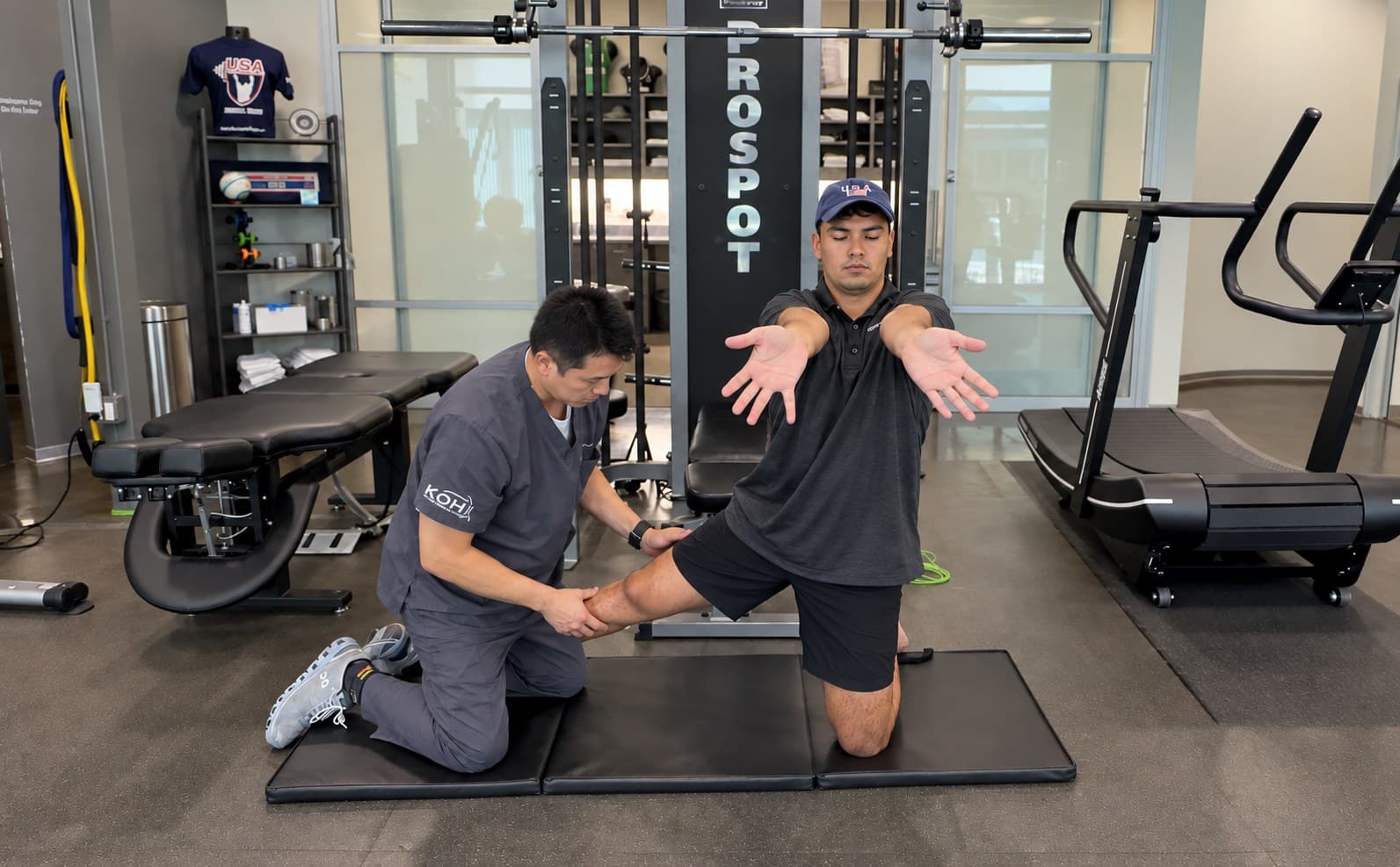
Fascia stretching therapy may help people with ongoing pain or stiffness. It can help reduce soreness and discomfort, support circulation, and improve flexibility and mobility, including recovery between workouts. It also complements physical therapy by helping restore joint range of motion.
Restrictions in the fascia can cause pain and unnatural postures that raise the risk of injury. Freeing tightness in this tissue may ease those aches. Easing tightness and tension can also improve blood flow, bringing more oxygen to muscles.
After a sports injury or surgery, damage to the fascia can restrict motion and cause significant pain. Massage and stretching are widely used in rehabilitation, and specialized fascia stretching techniques can be part of working through these problems.
The goal is to restore normal range of motion and mobility to the affected areas, which can help with aches and pains and support how well you move over time, whether you are an athlete or living with chronic pain.
How it differs
Fascia stretching differs from conventional stretching in three main ways.
FAQ
Related
Shockwave therapy (SWT) uses focused acoustic sound waves, delivered through the skin with a handheld device, to address pain in muscles, tendons and joints.
Kinesiology therapeutic taping uses an elastic tape applied to specific areas of the body to support muscles, tendons, and ligaments, help relieve pain and swelling, and support athletic performance.
Fascial manipulation is a manual therapy technique for treating pain from soft tissue injury. It targets muscles and fascia to help ease musculoskeletal pain and stiffness and improve how you move.
Request an appointment online, or text our scheduling team. Text is the fastest way to reach us.