
Shockwave Therapy
Shockwave therapy (SWT) uses focused acoustic sound waves, delivered through the skin with a handheld device, to address pain in muscles, tendons and joints.
Service
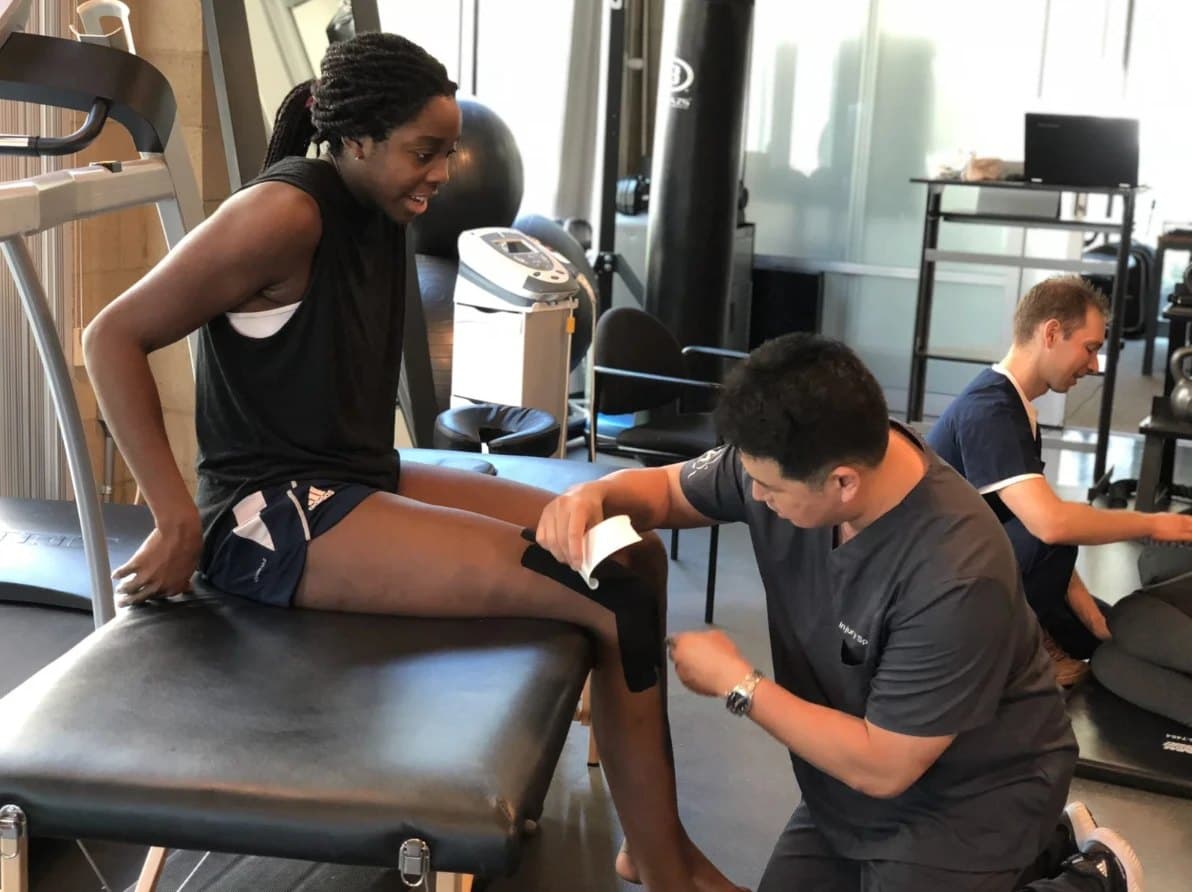
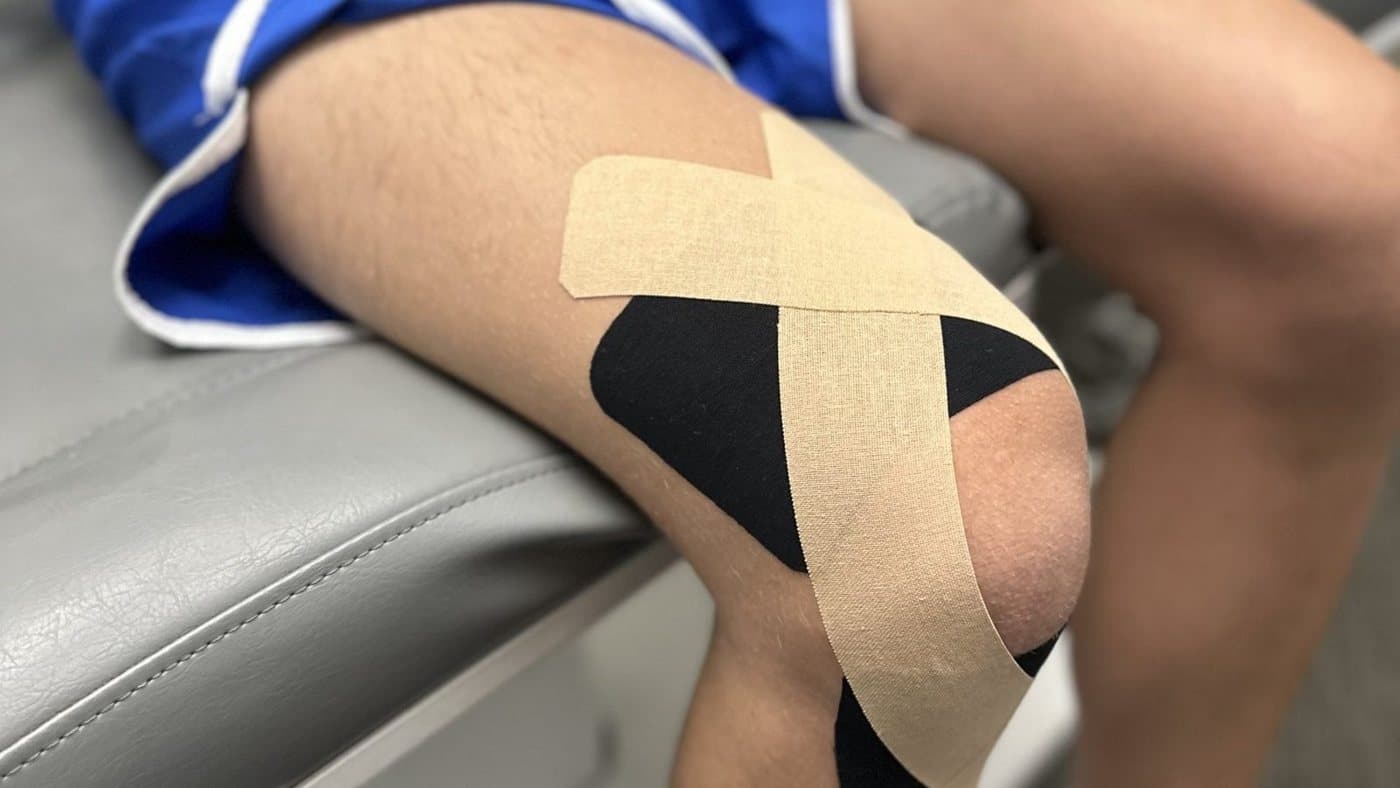
Kinesiology tape is a therapeutic tape that your physical therapist applies strategically to muscles, tendons, ligaments, or joints to provide support, lessen pain, reduce swelling, and support performance. When the tape is applied, it recoils slightly and gently lifts the skin, creating a small space between the skin and the tissues underneath.
The tape is designed to stretch to about 140% of its resting length, similar to the elasticity of skin. By choosing where the tape goes and how much stretch to use, a therapist can aim for different effects, such as supporting a muscle, calming an overactive one, or encouraging fluid to move away from a swollen area.
Beyond sports, kinesiology taping is also used for discomfort during pregnancy and for TMJ disorders.
At KOH Physical Therapy Lab, taping is used as one part of an individualized plan, often alongside exercise and other treatments such as shockwave therapy, instrument assisted soft tissue mobilization, and cold laser therapy.
Benefits
Who it is for
Sports
Athletes use kinesiology tape to support their muscles and joints during competition and to help protect against injury. It is also used during injury recovery and rehab to support blood flow to the area.
Many runners and endurance athletes use the tape for support on muscles under stress during long events, and for symptoms of plantar fasciitis and muscle strain.
An active body is often prone to injury, and muscles or joints may need extra support. Many people report better mobility and function with the tape on, and it has become popular with athletes as part of their training and rehabilitation routines.
Rehab
Kinesiology tape is usually one part of a broader treatment plan to rehabilitate an injury. Its purpose is generally to reduce pain, adjust positioning, and manage swelling. Unless your therapist says otherwise, keep the tape on between sessions.
Movement
With consistent, well-applied taping, abnormal movement patterns can be reduced. Feeling the tape against your skin as you move alerts you to your posture and position and cues better ways to move. Over time, that gentle prompt can help you build the correct movement pattern.
At home
It is best to learn how to apply kinesiology tape from a professional. KOH Physical Therapy Lab therapists can show you how to apply the tape for your specific condition, and our YouTube channel shows different taping techniques.
FAQ
Related
Shockwave therapy (SWT) uses focused acoustic sound waves, delivered through the skin with a handheld device, to address pain in muscles, tendons and joints.
Instrument assisted soft tissue mobilization (IASTM) is a treatment option for muscle, ligament, and tendon injuries. Specially designed instruments help your physical therapist find and treat scar tissue, restrictions, and adhesions.
Cold laser therapy, also called red light therapy or low-level laser therapy, is used for muscle and nerve pain from sprains, bursitis, tendonitis, and more. A handheld device delivers non-heating light to the injured area.
Request an appointment online, or text our scheduling team. Text is the fastest way to reach us.