

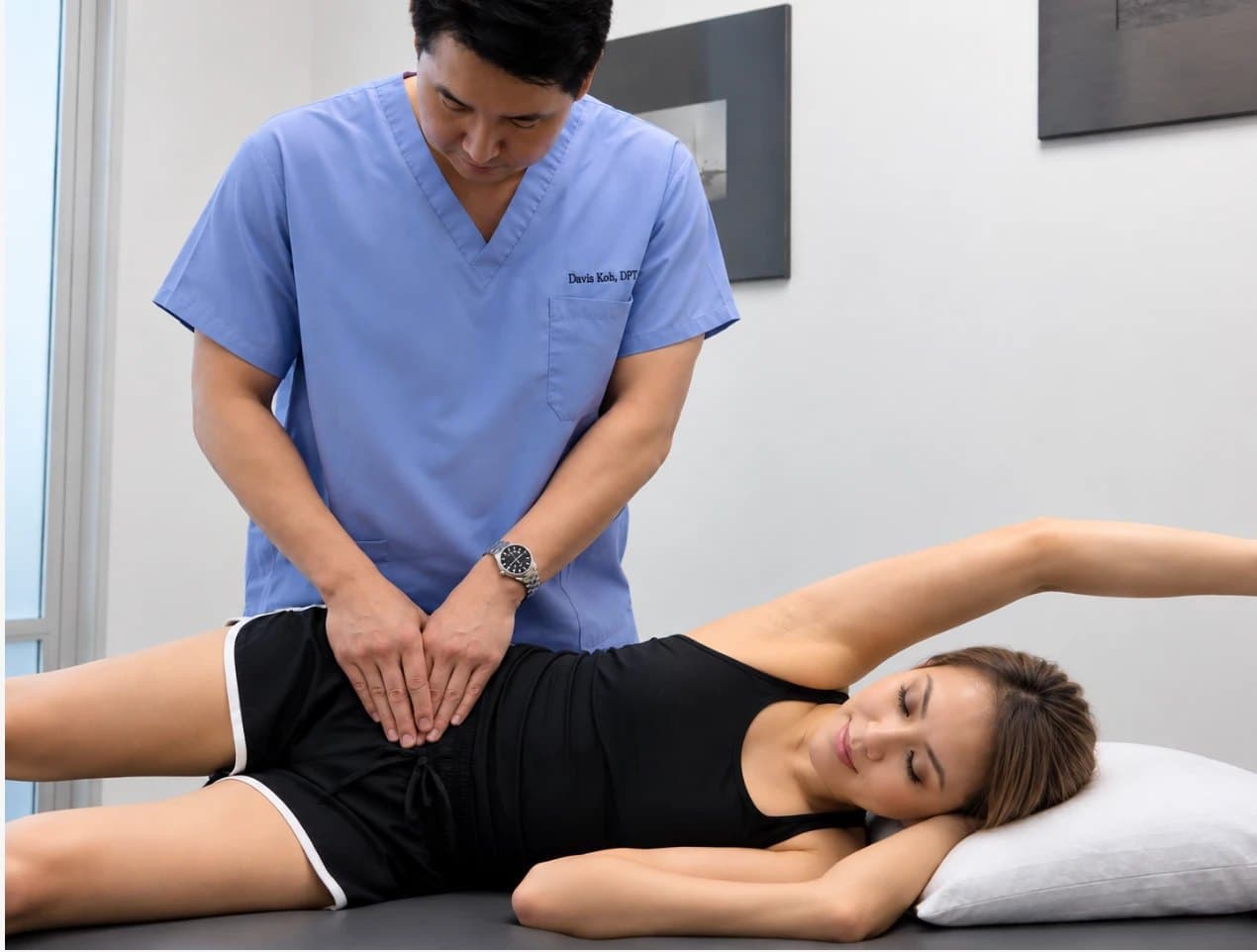
Active Release Technique
A movement-based soft tissue technique: you move the area while your therapist applies focused pressure.
Treatment method
Manual therapy aims to ease pain, improve mobility and promote overall wellness by treating the body's soft tissue and joints. Our therapists use a range of techniques, chosen for each person, to support healing and restore function.
Your physical therapist uses their hands to move and mobilize soft tissue and joints. This differs from approaches that rely mainly on machines, exercise equipment or modalities such as electrical stimulation. For tight fascia, our specialists also offer myofascial release, a specialty technique with its own page.
The approach
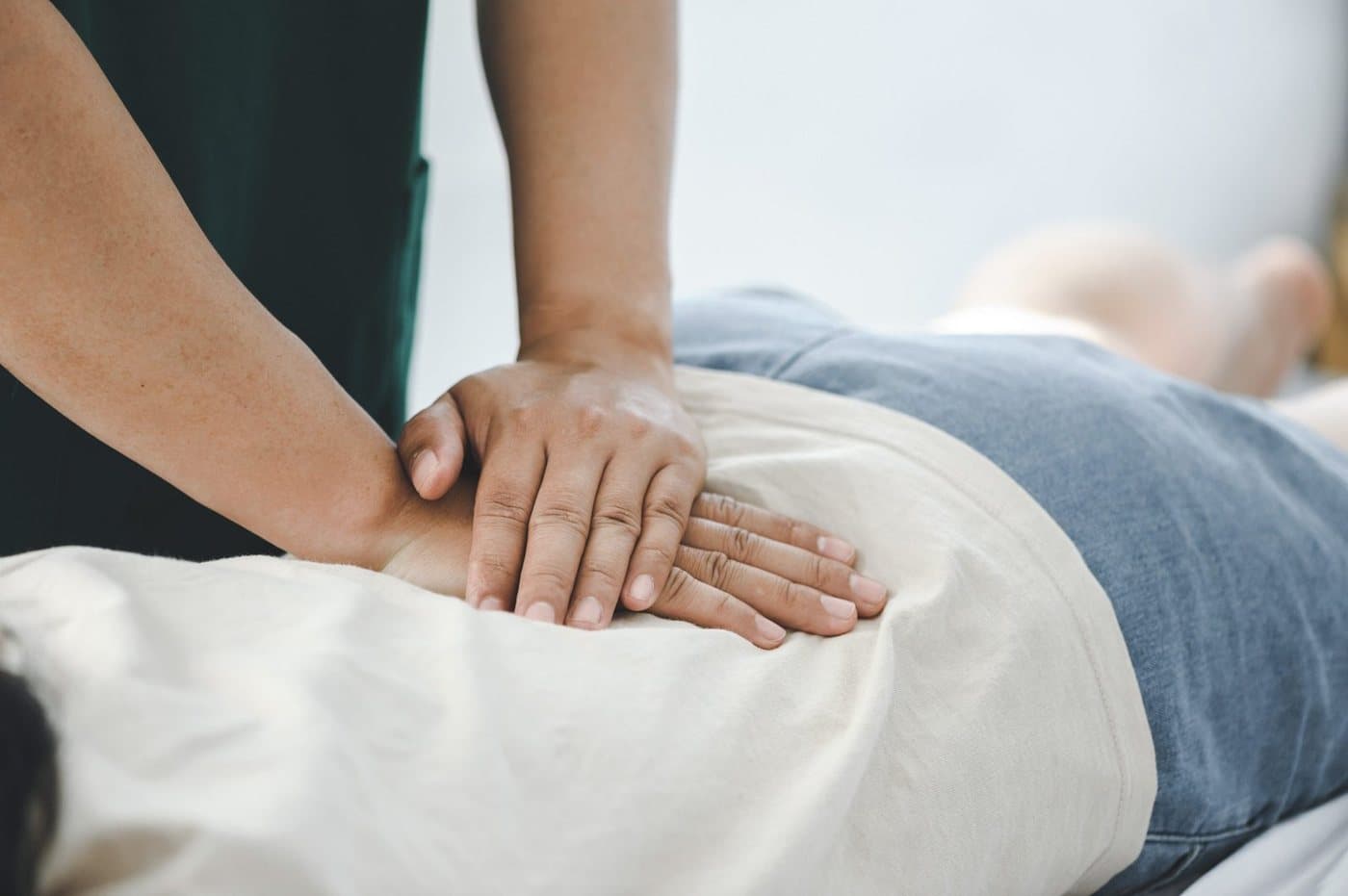
Your therapist feels how muscle tension and joint mobility respond during treatment and adjusts technique in real time.
Treatment looks at how body regions work together, aiming at the underlying cause of pain and stiffness, not only the sore spot.
Techniques are chosen for your needs and adjusted to how your body responds.
Benefits
May help reduce both chronic and acute pain, making everyday movement more comfortable.
Can help increase range of motion and flexibility, so you move more freely.
May support recovery from injury by improving circulation and easing muscle tension.
Considers the whole body, aiming at the root causes of pain and dysfunction rather than only the symptoms.
How it can help
Regular manual therapy may help manage chronic pain from conditions such as arthritis, fibromyalgia and low back pain.
Techniques can help restore normal joint movement, increasing flexibility and range of motion.
Addressing tight or restricted muscles can improve overall movement patterns.
May support recovery after an injury by improving circulation and reducing inflammation.
Helps restore function and mobility after surgery as part of your rehabilitation.
Techniques such as myofascial release target muscle tightness, promoting relaxation and easing spasms.
Many people find manual therapy soothing, which may help lower stress and support overall well-being.
Patients often report doing daily activities more easily, with a better quality of life.
Athletes may benefit from better flexibility, which can support performance and help lower injury risk.
The hands-on, individualized approach can offer a sense of connection and care.
Manual therapy is commonly used, together with exercise, for low back and neck pain and stiffness.
May help reduce how often tension-type headaches occur and how strong they are.
Who it may help
Related
A movement-based soft tissue technique: you move the area while your therapist applies focused pressure.
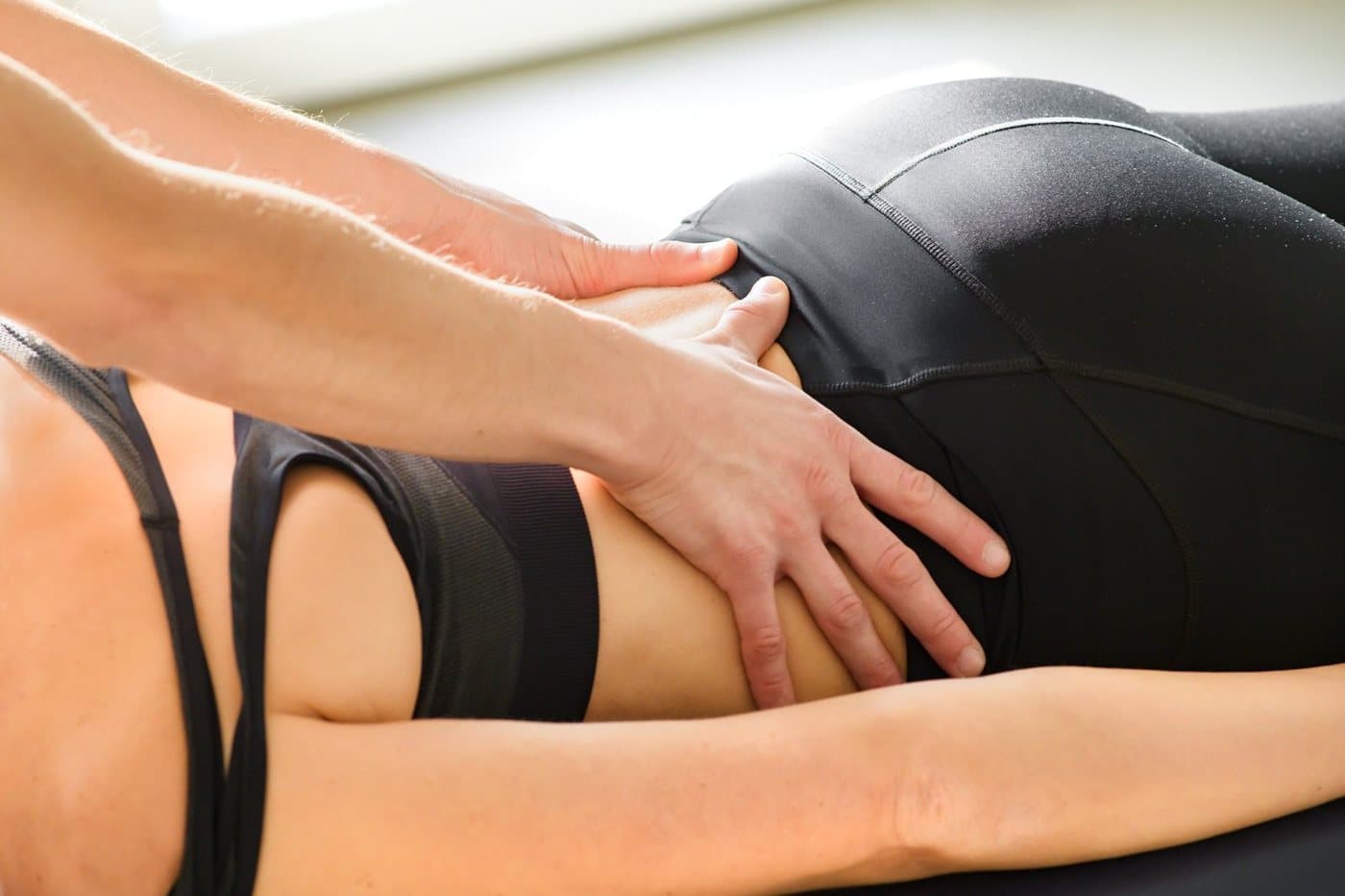
Assessment and manual treatment of fascia, the connective tissue that surrounds muscles.
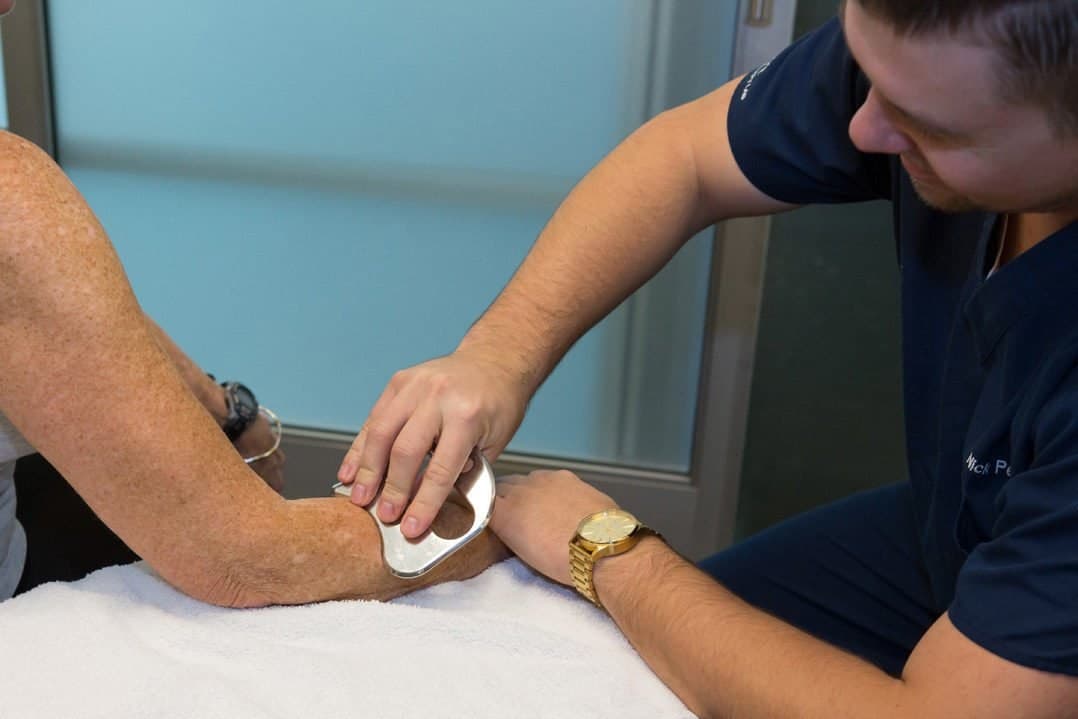
Purpose-made instruments help your therapist find and treat restrictions in muscle, tendon and fascia.
Request an appointment online, or text our scheduling team. Text is the fastest way to reach us.