Skip to content

Service

Pelvic Floor Physical Therapy

We specialize in pelvic floor physical therapy for women and men. A pelvic floor specialist works with the muscles that support the bladder, bowel, and pelvic organs, for concerns such as urinary incontinence, pelvic pain, and pressure.

What is Pelvic Floor Physical Therapy?

Pelvic floor disorders happen when the muscles, ligaments, and tissues that support the pelvic organs become weakened, stretched, overly tight, or injured. They can affect the bladder, uterus, vagina, and rectum, and can make everyday life harder.

Common pelvic floor concerns include urinary incontinence, such as leaking with a cough, sneeze, or exercise (stress urinary incontinence), pelvic organ prolapse, and pelvic pain.

Many things can contribute, including pregnancy and childbirth, pelvic surgery or radiation, chronic coughing, chronic constipation, heavy lifting, high-impact exercise such as running, trauma to the pelvic region, and changes with age.

Pelvic floor physical therapy works on the pelvic floor together with the abdominal muscles, back, and diaphragm. Your therapist uses exercises to strengthen, relax, and retrain these muscles, along with hands-on care to ease tight tissue and tender areas.

Pelvic health does not always require internal treatment. Many concerns can be addressed with external, non-invasive approaches, and any internal assessment or treatment is used only when it is appropriate for your condition and you agree to it.

KOH Physical Therapy Lab offers pelvic floor physical therapy for women and men at our clinics in Irvine, in Orange County, and in Long Beach. Treatment is often alongside other treatments such as shockwave therapy, kinesiology taping, fascia stretching, and cold laser therapy. The details on this page focus on women; men can find more on our Pelvic Health for Men page.


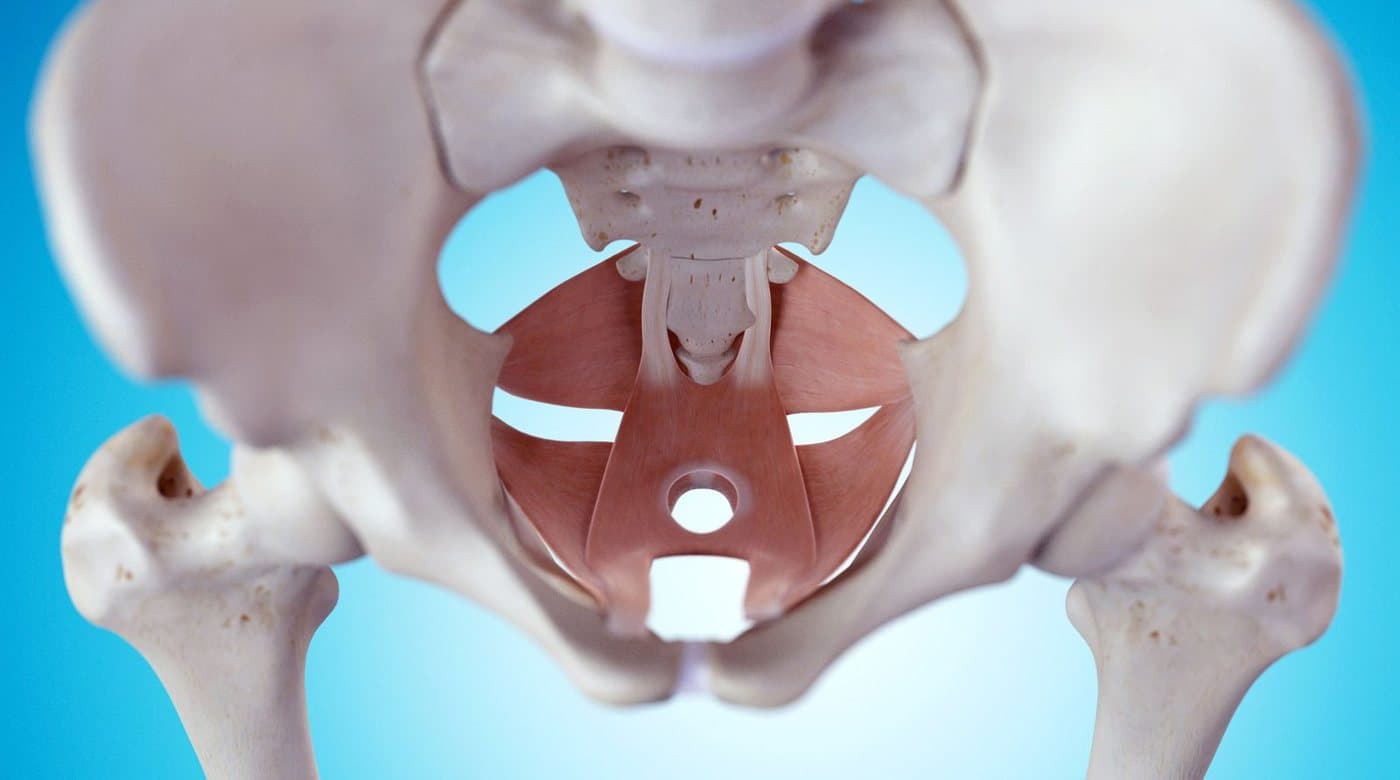
Anatomical illustration of the pelvic floor muscles within the pelvis

Benefits

Benefits of pelvic floor physical therapy

  • May help improve bladder control and reduce urinary incontinence (leaking).
  • Can help with difficulty emptying the bladder or painful urination linked to pelvic floor muscles.
  • May ease pelvic, bladder, or rectal pain, including pain related to muscle spasms or tight tissue.
  • May help reduce feelings of pressure or heaviness in the pelvis.
  • Can help with bowel concerns such as straining or pain during bowel movements.
  • Can build strength and coordination in the pelvic floor, core, back, and diaphragm.

Who it is for

Who it may be right for

  • Women with urinary incontinence, including leaking with a cough, sneeze, or exercise (stress urinary incontinence), or other bladder control concerns.
  • Women with pain, pressure, or a heavy feeling in the vagina or rectum, including concerns related to pelvic organ prolapse.
  • Women with pain during intercourse related to pelvic floor muscle tension.
  • Women with pelvic, bladder, or rectal pain, or muscle spasms in the pelvic area.
  • Women with constipation, straining, or pain during bowel movements.
  • Women during or after pregnancy, after childbirth, or after pelvic surgery.

Your visit

Your visit with a pelvic health specialist

Your first visit is a one-on-one evaluation with a pelvic health specialist in a private room, starting with a conversation about your symptoms and goals.

Your pelvic health specialist explains each part of the assessment in advance. It may include looking at and gently examining the back, pelvis, hips, abdomen, and pelvic floor muscles for tone, flexibility, and tenderness, and it may include an internal assessment.

Any internal assessment or treatment is discussed first and done only with your consent. You can decline or stop at any time, and many concerns are treated with external approaches.

Your plan usually combines hands-on care with exercises for the pelvic floor, core, back, and diaphragm, plus home exercises so you can keep making progress between visits.

Causes

What causes pelvic floor dysfunction?

Pelvic floor disorders can affect both women and men. They develop when the structures that support the pelvic organs are weakened by age or injury. Surgery or radiation that affects nerves and tissue in the area, regular heavy lifting, and hereditary factors can all raise the risk.

Common contributing factors include:

  • Pregnancy and childbirth, including vaginal childbirth
  • Pelvic surgery or radiation
  • Trauma to the pelvic region
  • Chronic coughing
  • Chronic constipation
  • Interstitial cystitis
  • Obesity
  • Weightlifting and high-impact exercise, such as running

FAQ

Pelvic Floor Physical Therapy questions

Do you treat pelvic floor dysfunction in both women and men?
Yes. KOH Physical Therapy Lab provides pelvic floor physical therapy for women and men at our Irvine and Long Beach clinics. Men can read more on our Pelvic Health for Men page.
Can physical therapy help with urinary incontinence?
Pelvic floor physical therapy may help improve bladder control, including stress urinary incontinence, with exercises that strengthen, relax, and coordinate the pelvic floor together with the core, back, and diaphragm. Your therapist first evaluates what is contributing to your symptoms, then builds a plan with you.
Does pelvic floor physical therapy always involve internal treatment?
No. Many pelvic floor concerns can be addressed with external, non-invasive approaches. Any internal assessment or treatment is discussed with you first, used only when it is appropriate for your condition, and done only with your consent. You can decline or stop at any time.
What happens at the first visit?
A one-on-one evaluation with a licensed physical therapist in a private room. It starts with a conversation about your symptoms and goals, and your therapist explains each part of the assessment before it happens.
How many visits will I need?
It depends on your condition, your symptoms, and your goals. Your physical therapist will discuss a plan with you after your evaluation and adjust it as you progress.
Where is pelvic floor physical therapy offered?
At our clinics in Irvine (9080 Irvine Center Dr., Orange County) and Long Beach (4401 Atlantic Ave #200). Text or call (949) 540-5641 to schedule.

Related care

Pelvic floor care often connects with core recovery after pregnancy and with pelvic pain in men. These pages cover related topics.

Pelvic Health for Men →Diastasis recti and postpartum core rebuilding →

Related

  • Pelvic Health for Men

    We specialize in pelvic health physical therapy for men. A pelvic floor specialist works with the pelvic floor muscles and the muscles around them to address problems such as urinary incontinence, pelvic pain, and sexual dysfunction.

  • Pre and Post-Surgical Rehab

    Scheduled for surgery? Pre and post-surgical rehab is physical therapy before and after an operation, to help you go into surgery as prepared as possible and recover strength and movement afterward.

Ready to get started?

Request an appointment online, or text our scheduling team. Text is the fastest way to reach us.