
Sports Injury Prevention & Recovery
Sports injury physical therapy helps athletes recover from injuries, manage the strain of training, and lower the chance of getting hurt again. It is built around how you move and what your sport demands.
Service
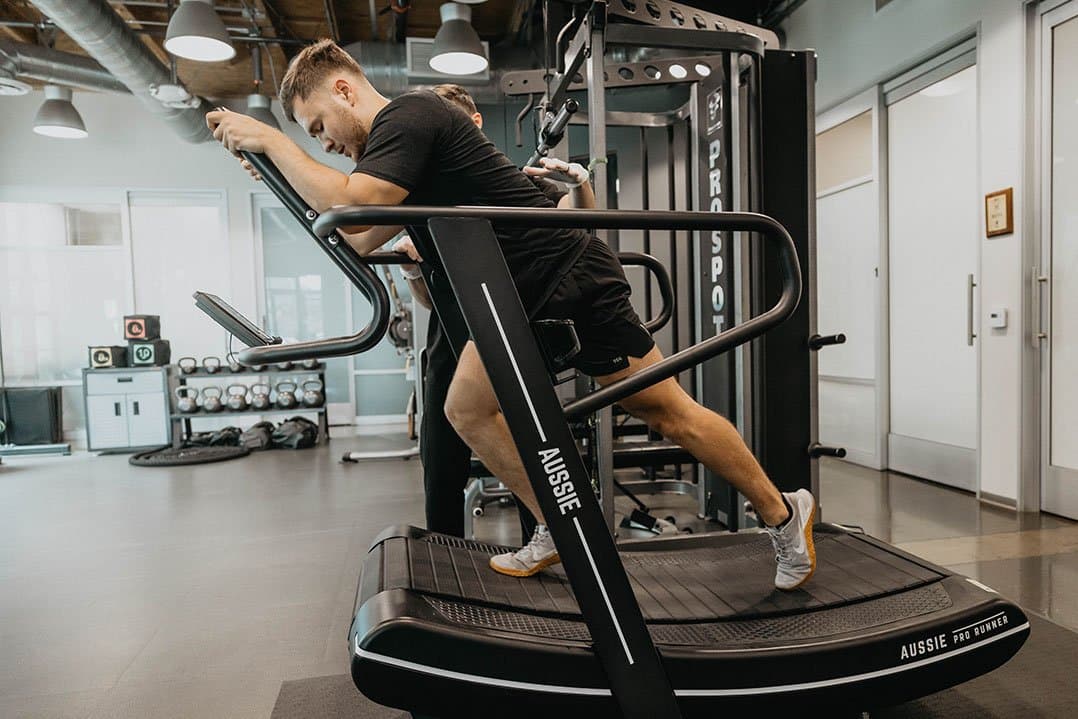
Strength and conditioning training is a comprehensive program that develops several abilities together: mental focus, mobility, stability, strength, stamina, power output, speed and agility. For athletes, the training is shaped around the movements their sport demands.
Major athletic organizations, including Team USA, support sport-specific strength and conditioning to improve performance and agility and to help reduce injuries.
Benefits
Who it is for
Our approach
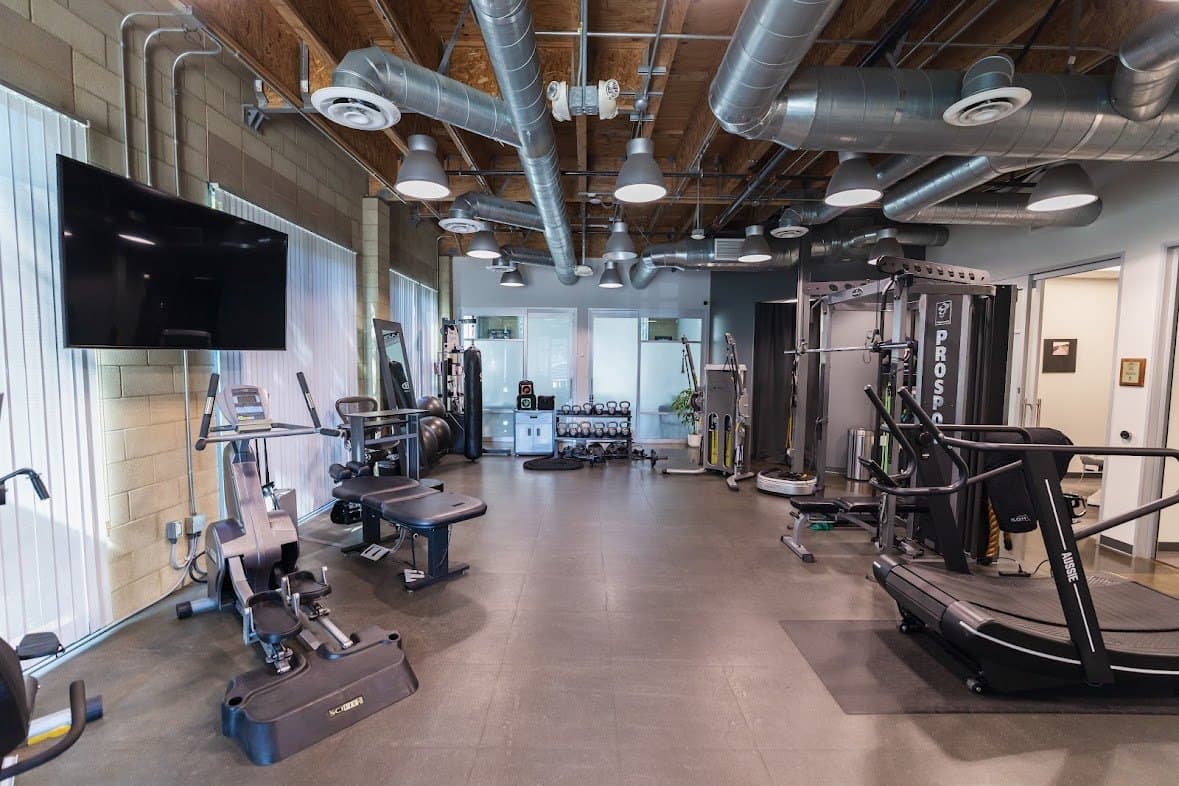
Our strength and conditioning work draws on sports science and on experience training athletes, including professional and Olympic athletes. We guide each athlete step by step to prepare their body for peak performance while working to reduce the chance of injury.
Sessions can include sport-specific footwork patterns, acceleration and deceleration strategies, and agility drills, aimed at helping you perform at your best physical level.
Training tools
Heavy rope training offers a full metabolic workout for every fitness level, from beginners to experienced athletes. The simple movements put little stress on the joints, which makes it a good option for people with rehab needs.
We use heavy ropes in our lab every day. The workouts can raise your heart rate quickly, and they work well as "active rest" added to an existing workout or circuit.
Because of the grip required, heavy rope training also strengthens grip, which may help people with wrist problems such as carpal tunnel syndrome or arthritis when it fits their plan.
Training tools
A kettlebell is a traditional Russian cast iron weight that looks like a cannonball with a handle. Its wide range of uses makes it a versatile tool for well-rounded fitness, supporting balance, strength and function.
Kettlebells can be combined with other types of exercise for functional, full body movements. Full body effort can reveal misalignments, weaknesses, and the compensations the body uses to work around pain and weakness, so your therapist can address them.
Kettlebells develop functional strength and full body coordination, and a kettlebell can stand in for many other pieces of equipment, from barbells and dumbbells to medicine balls and grip trainers.
Training tools
Sandbags have been a training tool for athletes for hundreds of years. They are inexpensive and very versatile, and they combine unstable training with a challenging load, something many of today's unstable gadgets cannot provide.
Because a sandbag shifts as you lift it, your body has to recruit more muscles to control it. With more stable, predictable weights, the body settles into a groove and becomes efficient, using fewer muscles. This is especially true of explosive sandbag lifts such as cleans, throws, snatches and shouldering, where the trunk muscles, including the low back and abdominals, work hard to stabilize against the awkward load.
Sandbag work can build stabilizer, trunk and grip strength, and it is useful for sport-specific drills, mobility work and conditioning. As Brooks Kubik writes in Dinosaur Training, sandbags work "the muscle areas you normally don't work."
Dr. Koh has got it figured out. He is what a PT should be in my mind. His diagnosis of sports injuries is spot on. He uses multiple techniques of Physical Therapy (active release, Graston, tissue work etc..). I had a hamstring injury that I thought might affect me for 6 months of my volleyball season and within 10 days I was playing with no pain or tenderness at all. He has allowed me to continue my pursuit of the 2012 Olympic games in London. Thanks Doc!
 Jake GibbBeach volleyball Olympian (2008 Beijing, 2012 London, 2016 Rio Games); 2013 USA Volleyball Male Beach Athlete of the Year; 2005 AVP Most Valuable Player
Individual results vary.
FAQ
Related
Sports injury physical therapy helps athletes recover from injuries, manage the strain of training, and lower the chance of getting hurt again. It is built around how you move and what your sport demands.
Attention elite varsity high school athletes: this program offers physical therapy built for varsity high school athletes, covering injury prevention, recovery from injury, sport-specific training and education for athletes and their parents.
Request an appointment online, or text our scheduling team. Text is the fastest way to reach us.