
Sports & Performance
Battling Ropes and Rehab
Dr. Davis Koh on using battling ropes in physical therapy: the two-vector force principle, low injury risk, small resistance increments and uses from athletes to neuro rehab.
By Davis Y. Koh, DPT, MBA, GCS, RKC, CSCS
Published
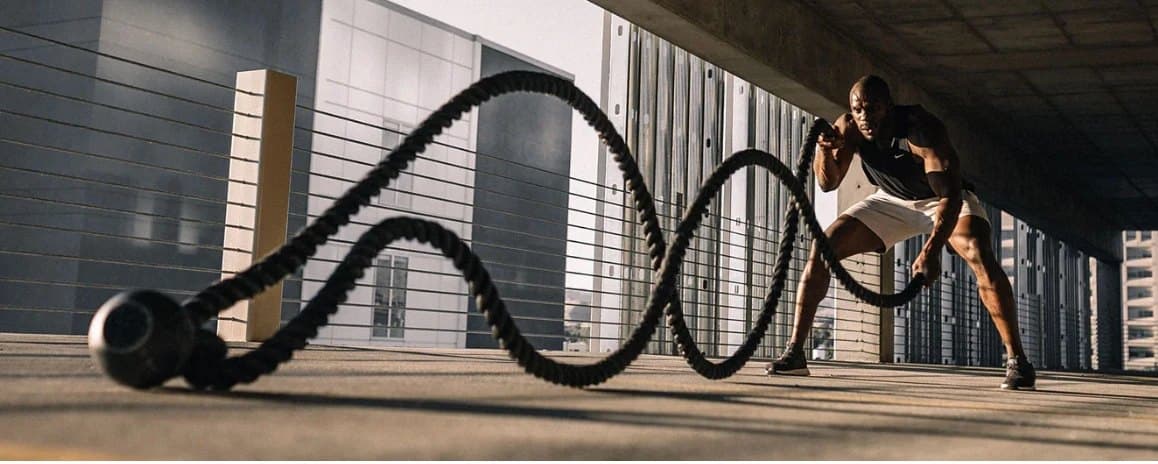
For the past decade, the Battling Ropes fitness system has come into a great deal of popularity among professionally ranked athletes, celebrities, trainers and strength and conditioning specialists covering many different sports. One area that is growing in the use of battling ropes is the field of physical therapy and rehabilitation. The Battling Ropes system has become for me, personally, an integral part of rehabilitation for a variety of injuries and diagnoses.
The Battling Ropes system is much more than a wrist, hand or shoulder exercise and much more than a sports or physical fitness piece of equipment. I use the Battling Ropes system for almost every body part, from the pediatric to the geriatric patient, and from the workers' compensation patient to the professional athlete. I use the ropes in neuro-rehabilitation for my stroke and brain injury patients, cardiac rehabilitation for my post-open heart surgery patients, work hardening and work conditioning for my workers' compensation patients, and to assist in treating age-related diseases such as Lewy body disease and Alzheimer's for my geriatric patients.
The reason I incorporated the Battling Ropes into my physical therapy practice was its two-vector force principle, its inherently low risk of injury to my patients compared with traditional weights, the unique challenges the ropes provide to traditional physical therapy exercises, and the ease of incremental progression during a patient's rehabilitation. The Battling Ropes system also provides a unique set of new rehabilitation and corrective exercises in its own right that challenges my patients in new and different ways.
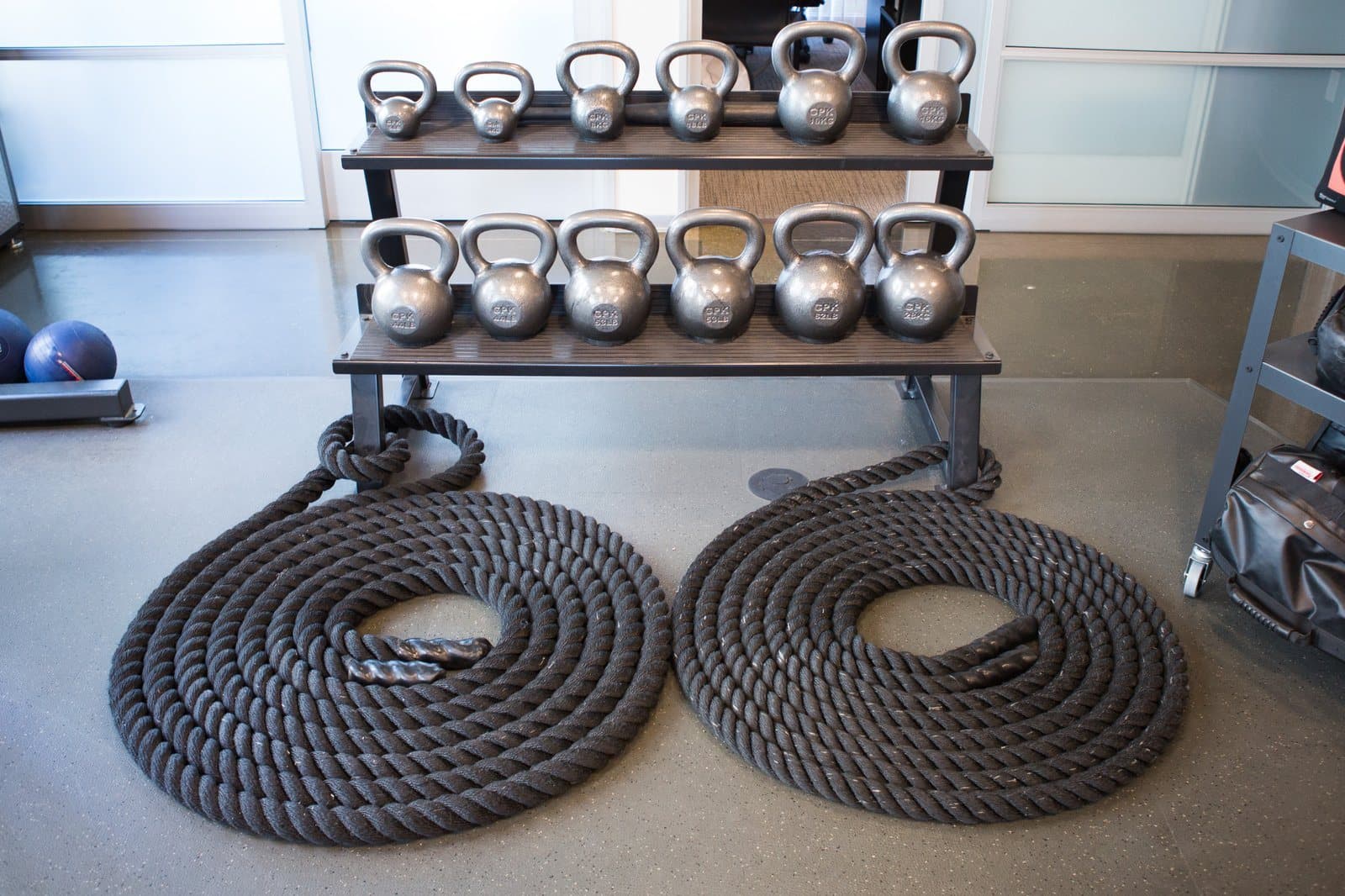
For starters, these weighted ropes minimize the risk of injury compared to traditional free weights. Battling Ropes provide a form of non-impact weight resistance exercise through various wave patterns that I like to begin with before advancing patients to other high-impact weight resistance exercises. Also, the relatively light weight (the 1.5-inch, 50-foot rope is approximately 23 pounds) and the distribution of that weight over a long surface area make it a safe alternative for overhead weight training, with peace of mind that the rope can be dropped at any time. If a rope is accidentally dropped, it will cause little or no harm to a patient. This is especially important when working with a brain injury or stroke patient, where the risk of a dumbbell falling on the patient's foot or head during overhead activities is higher due to decreased motor control. The same goes when working with my geriatric patients with age-related disease processes such as osteopenia or rheumatoid arthritis.
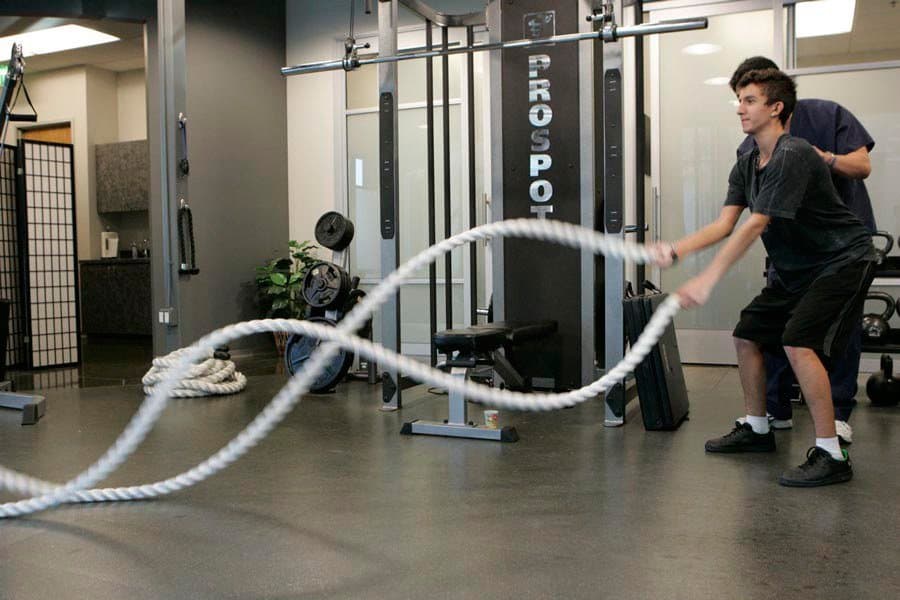
One of my favorite aspects of the Battling Ropes system is the two vectors of force direction it creates: one direction of force pulling away from the patient, as well as a downward force from the pull of gravity on the weight of the ropes. This causes multiple contractions in two, three or four muscle groups at the same time, and it challenges the dynamic balance and stabilization of the patient. It also creates a new twist on common exercises. The Turkish get-up with the Battling Ropes, for example, can now have an additional direction of force coming from the left, the right, behind or in front as the patient performs the exercise. This really helps me challenge my patients with balance and asymmetrical stabilization issues.
This principle also helps me utilize the ropes when doing reactive neuromuscular training, made popular by therapists like Gray Cook and others. The two vectors of force help when I use the ropes with physical therapy exercises such as PNF patterns, pendulum exercises and wand exercises. I can also employ different types of movement prep exercises for the shoulder, back and core, such as ones I call "hummingbird," "wall angels," "iron cross," "airwaves" and "tug-of-war," that have proved helpful for my shoulder and back patients.
Creating velocity with different wave patterns helps me challenge certain muscles differently from other weight training equipment. For example, by creating constant high-frequency, low-amplitude wave pattern exercises like the "blender" or the "running man," the core is challenged in unique ways for my runners. Another example would be disassociation exercises using traditional rope routines combined with the three levels of core exercises.
For my spinal cord injury patients who use wheelchairs, or patients who have undergone surgery for a joint replacement or a lower extremity fracture, the Battling Ropes system provides an excellent opportunity to increase cardiac and overall aerobic strength while they are without the use of their lower extremities. Patients can receive a tremendous amount of cardiovascular conditioning and core strengthening through these ropes. The ropes also allow patients who are temporarily disabled (for example, a patient with a compound fracture in the leg, or a leg in a long leg cast) to maintain core and upper body strength and conditioning while they wait for their bones to heal.
For my patients with Alzheimer's or dementia: research has shown that the hippocampus (the memory center of the brain) can shrink an average of 2 percent per year. Conversely, new research is coming out showing that the hippocampus can actually grow in size by incorporating more complex exercises into the care of patients with this disease. Therefore, the more complex and diverse the exercise, the greater the ability of the brain to grow in size at the hippocampus, counteracting the shrinking of the hippocampus in patients with advancing Alzheimer's or Alzheimer's-type symptoms. The rope system allows therapists to create different types of wave patterns combined with lower body exercises to create very complex exercises when working with patients such as these.
An example is a patient of mine with Lewy body dementia with whom I began working with Battling Ropes a few months ago. After his latest evaluation with the head of neurology at UCLA, the patient's wife told me that his neurologist was amazed at his progress since he first came to UCLA, and that he is now in the top 1 percent of any patient with his diagnosis the neurologist has seen at this stage of the disease process with regard to functional independence.
Another aspect of physical therapy and rehabilitation is the need to increase weight resistance in small increments, quickly and efficiently. Especially in the early or acute phase of rehabilitation, progress can be as little as 1 to 2 pounds at a time. Machines like the Keiser air machines can change resistance in very small increments but can be expensive for some clinics. Other equipment, like cable machines or dumbbells, can have increments of 5 to 10 pounds between weights, which is too big a gap for some patients. The ropes can act like a less expensive version of the Keiser, allowing small increments of weight to be added based on the length of rope that is used. A patient using 20 feet of rope versus 21 feet of rope from its anchor, for example, will notice a difference in their shoulder press, wrist curls or other exercises in their rehab protocol. I can make the difference in weight even smaller. This is especially important for my neurological patients trying to regain motor control, where improvements can literally be 1 to 2 pounds at a time.
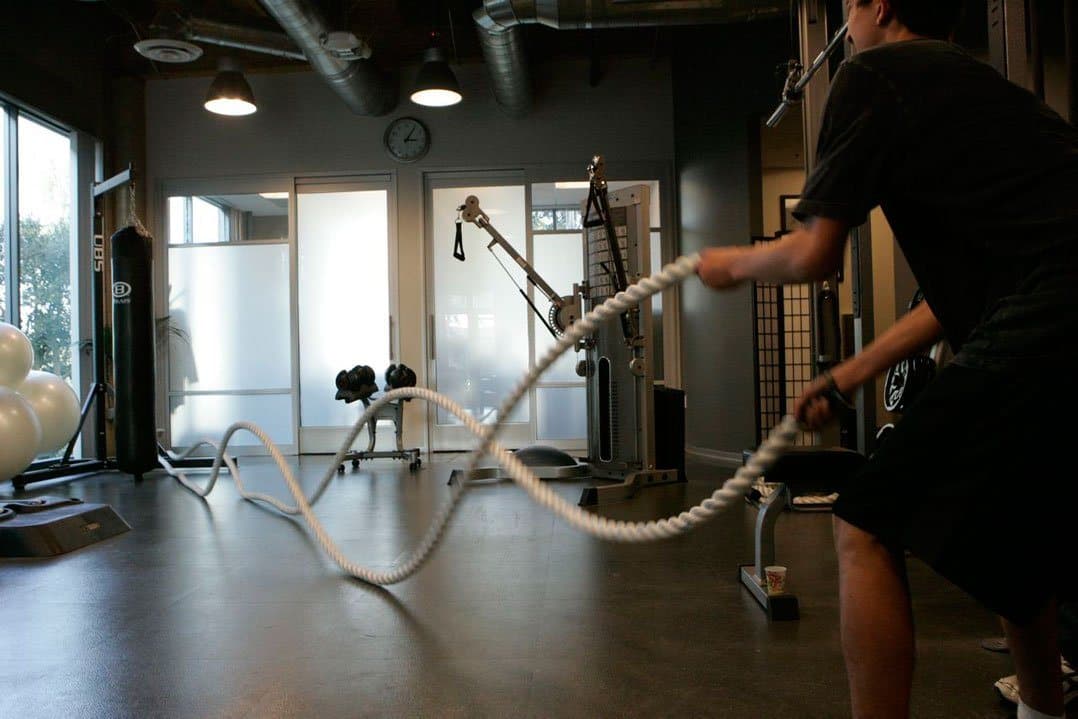
Because of its design, the Battling Ropes also become my foam roller. I utilize the ropes in exercises and self-mobilization techniques much like we use normal foam rollers. They are especially effective for thoracic spine segmental mobilizations as well as glute and TFL self-mobilizations. They can also act as balance platforms during exercises such as the front squat. These and the other applications above are a few examples of how I utilize the Battling Ropes in my physical therapy practice.
In my experience, the Battling Ropes system is a critical piece of equipment that fills a specific niche apart from other traditional exercise equipment. The two-vector force principle creates a dynamic need for activation of multiple stabilization muscles as well as core strengthening. Battling Ropes offer a great advantage by allowing a patient to progress in smaller increments than traditional weights. The ropes also provide another avenue of conditioning for my brain injury, paralysis and lower extremity surgical patients who cannot use their lower extremities in the early phase of rehabilitation. The rope system creates a whole new set of dynamic rehabilitation exercises that complement traditional weight resistance exercises. Finally, battling rope exercises, especially in a physical therapy setting, are one of the safest forms of weight resistance exercise and minimize the risk of injury to the patient.
Applying Battling Ropes in physical therapy treatments for my pediatric, neuro-rehabilitation, cardiac rehabilitation and geriatric patients has made a significant impact on their speed of recovery and return to their prior level of function. I highly recommend incorporating the Battling Ropes system into any physical therapy program.
Originally published online by Perform Better, December 2011.
For educational purposes only. This article is general information and is not medical advice. It does not replace an evaluation by a licensed healthcare provider. If you think you are having a medical emergency, call 911.
Watch
Related videos
How to set up for battling rope exercises
Battling ropes shoulder press
Plank waves with battling ropes
From the KOH Physical Therapy Lab YouTube channel. See more exercise and technique videos
Have questions about physical therapy?
Learn more about KOH Physical Therapy Lab services, or request an appointment.