
Sports & Performance
Pickleball Injuries on the Rise
Common pickleball injuries, from pickleball elbow to ankle sprains, and how physical therapy helps players recover and stay in the game.
Published
Recover and stay in the game
Pickleball is one of the fastest-growing sports in the United States, especially among adults and seniors, thanks to its fun, social nature and accessibility. With its popularity comes an increase in pickleball-related injuries.
At KOH Physical Therapy Lab, we are seeing more patients come in with pickleball injuries, ranging from mild strains to more serious joint and tendon problems. Physical therapy can help you recover, reduce pain and lower the chance of future injuries, so you can get back on the court safely.
Common pickleball injuries we treat
Pickleball involves quick side-to-side movements, sudden changes in direction and repetitive motions, all of which put stress on muscles, joints and tendons. Some of the most common injuries we see include:
- Pickleball elbow (similar to tennis elbow): overuse of the forearm muscles can lead to lateral epicondylitis, causing pain on the outside of the elbow.
- Shoulder strains and rotator cuff injuries: frequent overhead shots and serves can aggravate the shoulder tendons.
- Ankle sprains: quick pivots and sudden stops can lead to rolled ankles and ligament damage.
- Knee pain and meniscus injuries: twisting and lunging can strain the knee, especially in players with a history of arthritis or injury.
- Achilles tendonitis and plantar fasciitis: repetitive stress on the feet and calves can cause inflammation and pain that affects how comfortably you move.
- Lower back pain: rotational swings and bending can lead to muscle tightness or strain in the lower back.
How physical therapy helps pickleball players
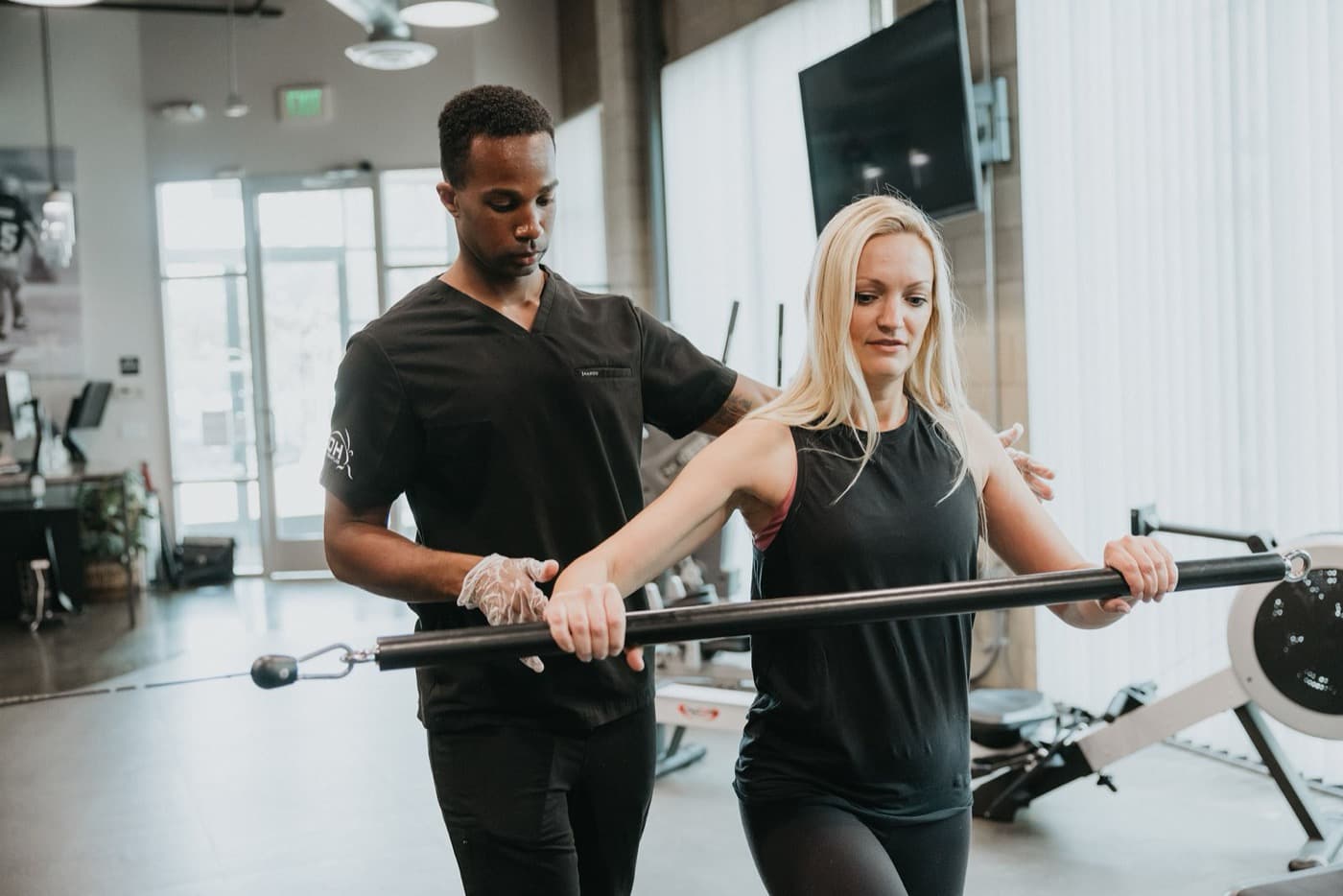
Whether you are new to pickleball or a seasoned player, physical therapy can help you stay active. Our approach is tailored to your goals, the demands of the sport and your recovery timeline.
1. Personalized assessment
We begin with a full musculoskeletal evaluation to identify muscle imbalances, joint limitations and movement patterns that could be contributing to your pain or injury.
2. Pain relief and manual therapy
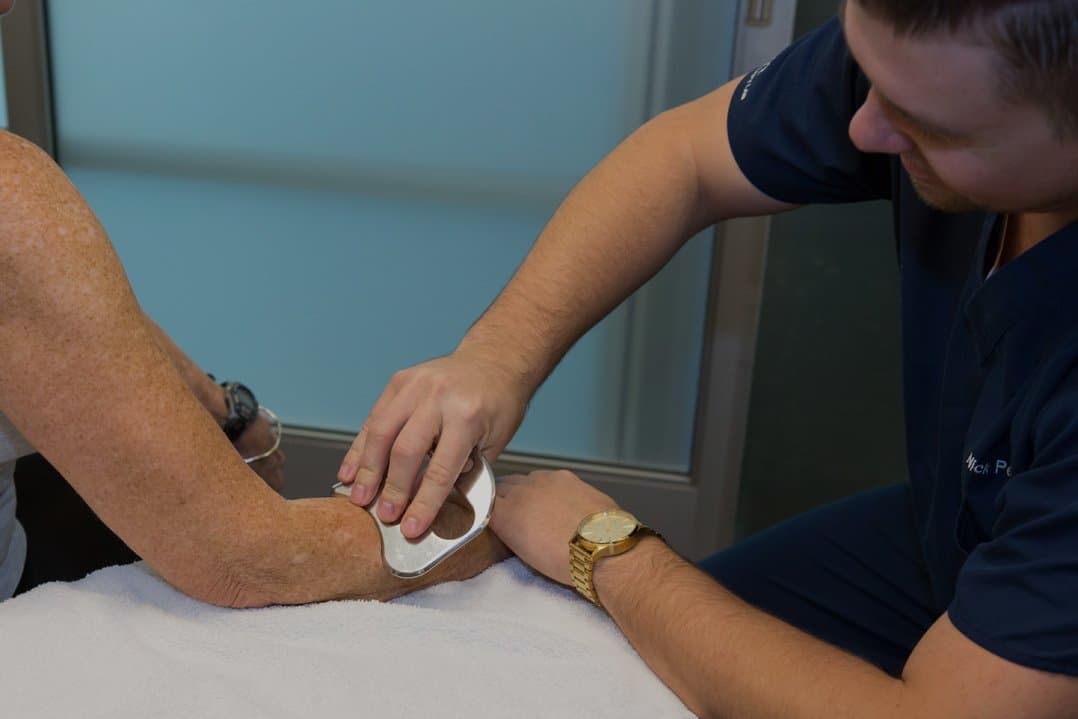
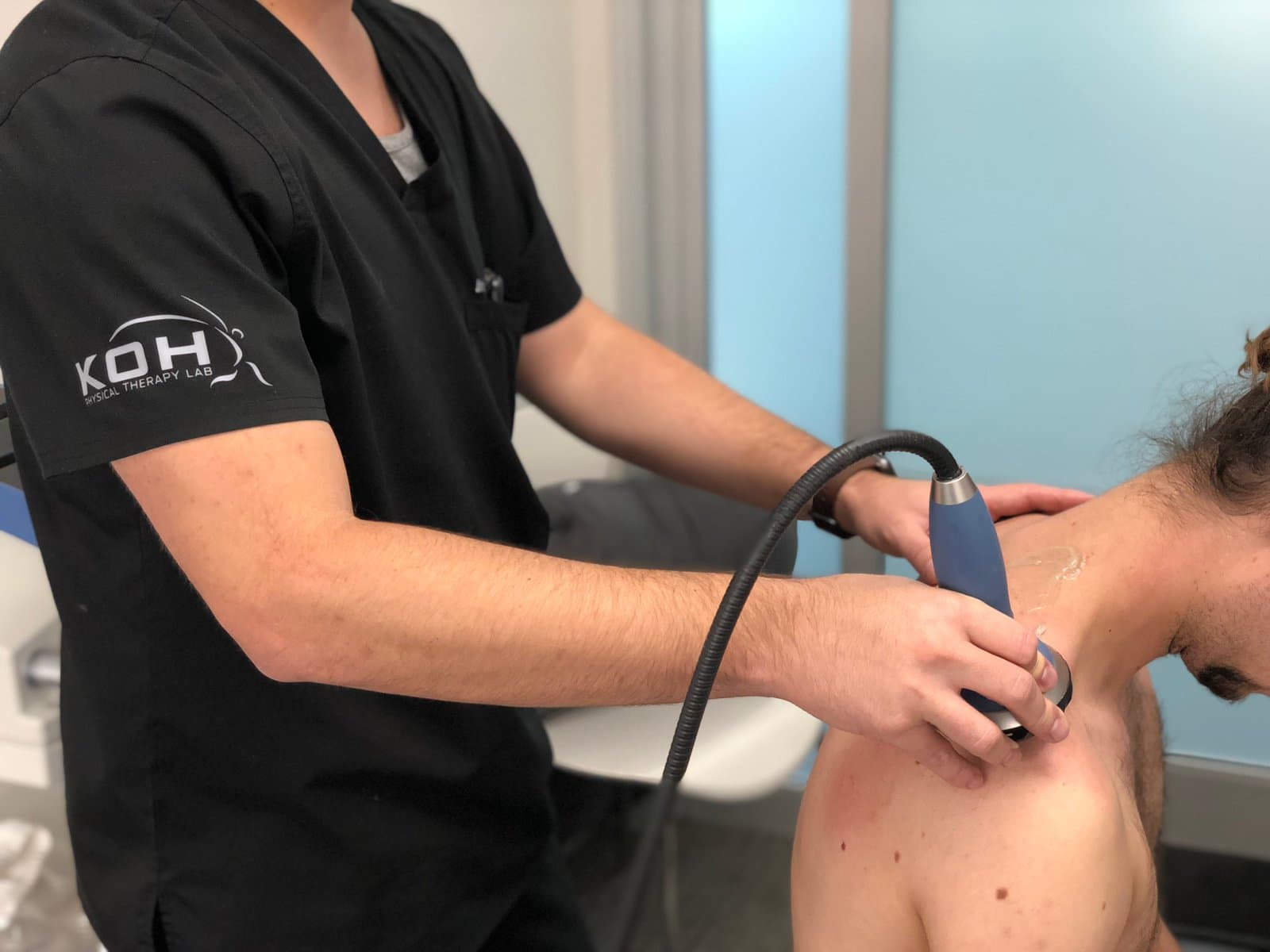
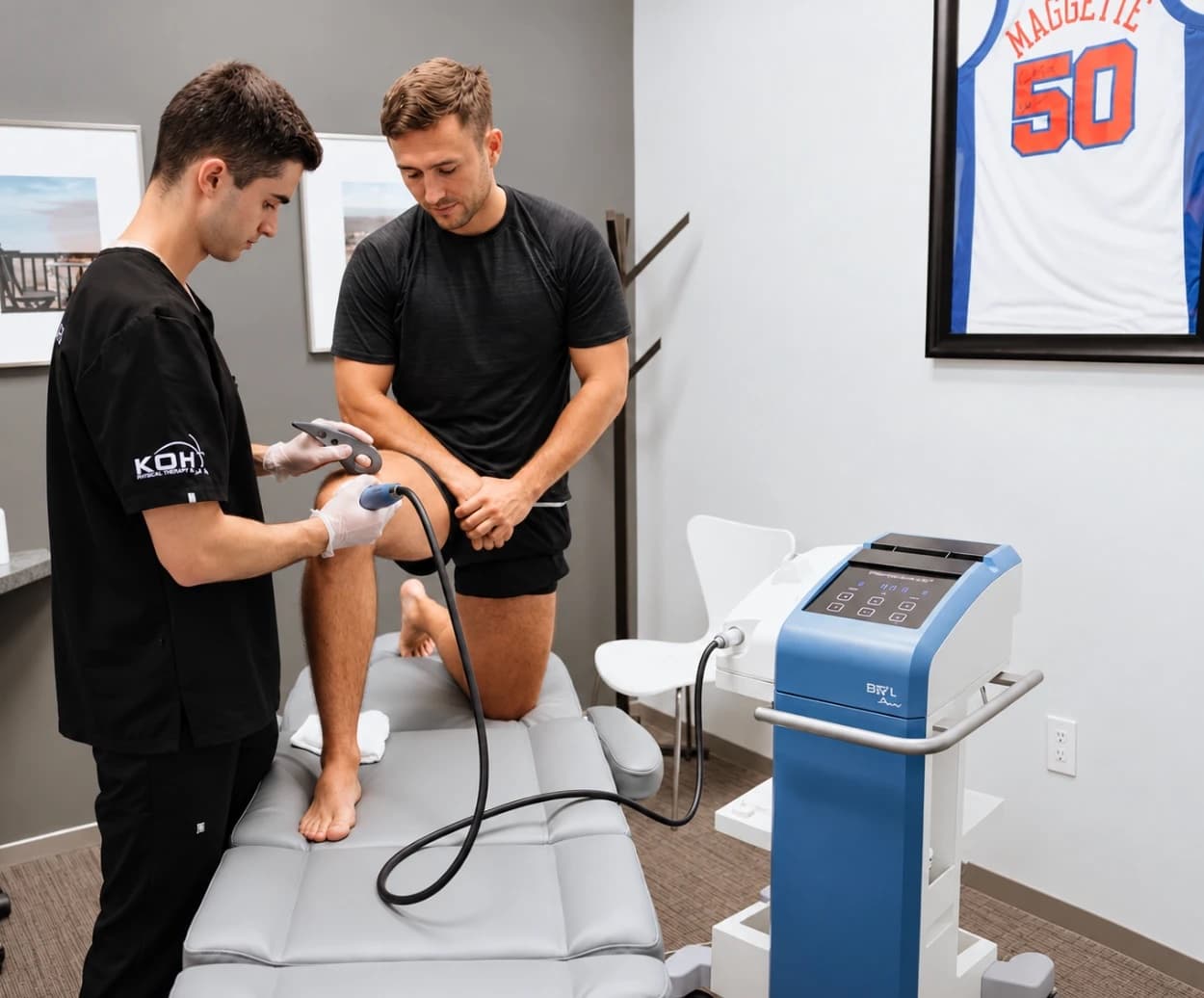
We use a combination of hands-on techniques and soft tissue mobilization to help reduce inflammation and support healing. Focused shockwave therapy is also available; contact us for more information, including pricing.
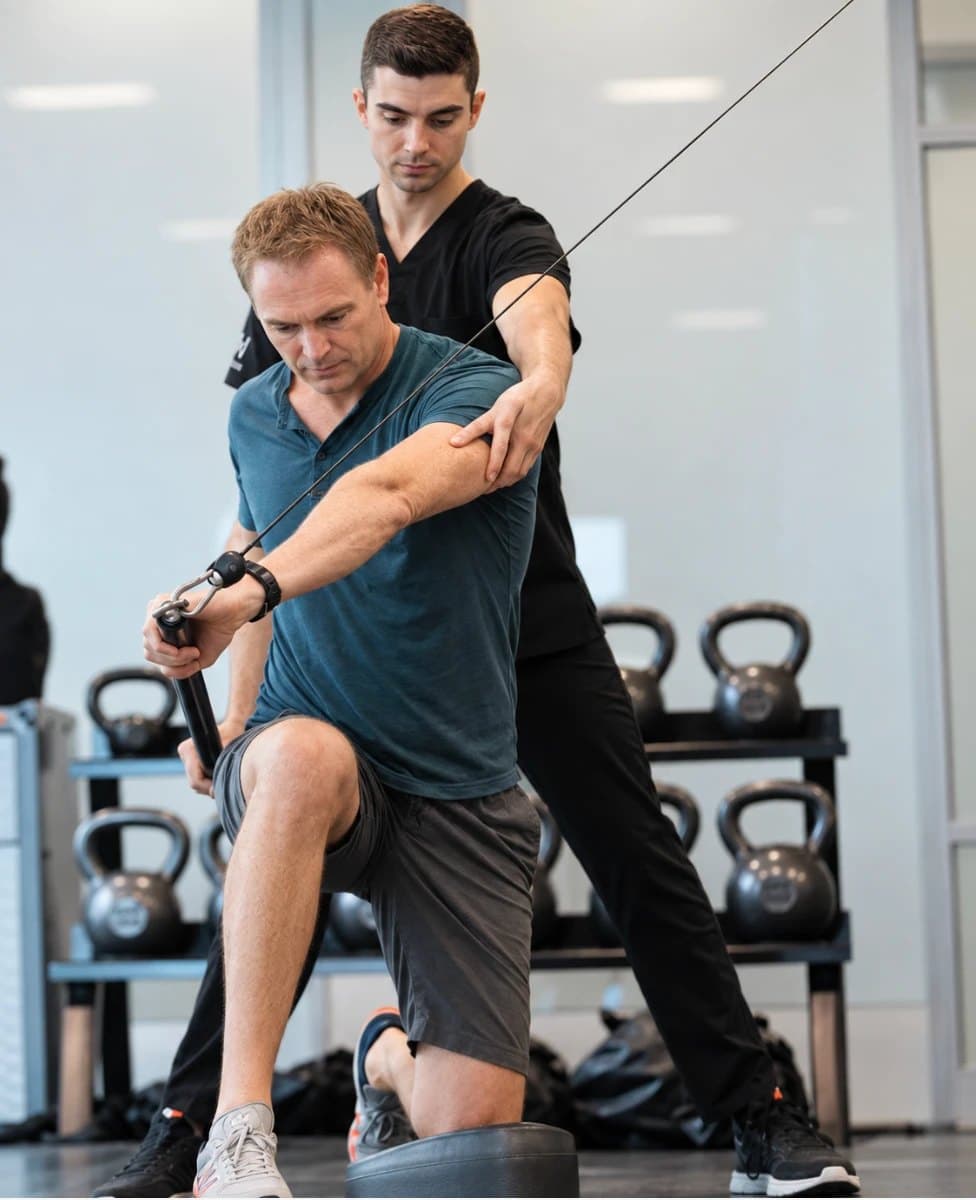
3. Targeted strengthening and flexibility
We design a sport-specific exercise plan to improve muscle strength, joint stability and flexibility, especially in areas prone to injury like the shoulder, ankle and core.
4. Return-to-sport training
Your therapist guides you through progressive drills to build confidence and reduce the risk of re-injury, including dynamic balance, agility work and paddle mechanics.
5. Injury prevention
Want to keep playing for years to come? Ask about ongoing care that helps you address early warning signs before they become injuries.
Pickleball should be fun, not painful.
Play hard, recover smarter
Pickleball should be fun, not painful. If you are dealing with a nagging injury or want to prevent future problems, our team can help you move better, feel stronger and stay in the game.
For educational purposes only. This article is general information and is not medical advice. It does not replace an evaluation by a licensed healthcare provider. If you think you are having a medical emergency, call 911.
Watch
Related videos
A tennis player's leg injury in physical therapy
Wrist strengthening exercises
Shoulder external rotation strengthening
From the KOH Physical Therapy Lab YouTube channel. See more exercise and technique videos
Have questions about physical therapy?
Learn more about KOH Physical Therapy Lab services, or request an appointment.