
Pelvic Health
Leaks, Pelvic Pain and the Pelvic Floor: The Questions People Actually Ask
Leaking when you cough, sneeze or run? Pelvic pain? Plain answers on stress incontinence, pelvic floor therapy and what a pelvic floor specialist does.
Published
Some health questions get typed into a search bar long before they get said out loud. Why do I leak when I sneeze? Why does it hurt down there? Is this just what happens after kids, or after 50?
If you have searched any of these, you have plenty of company. Most of the answers lead to the same place: a group of muscles almost nobody thinks about until something feels off. Here are the questions people ask most about pelvic health, answered plainly.
On this page
What is the pelvic floor, and what does it do?
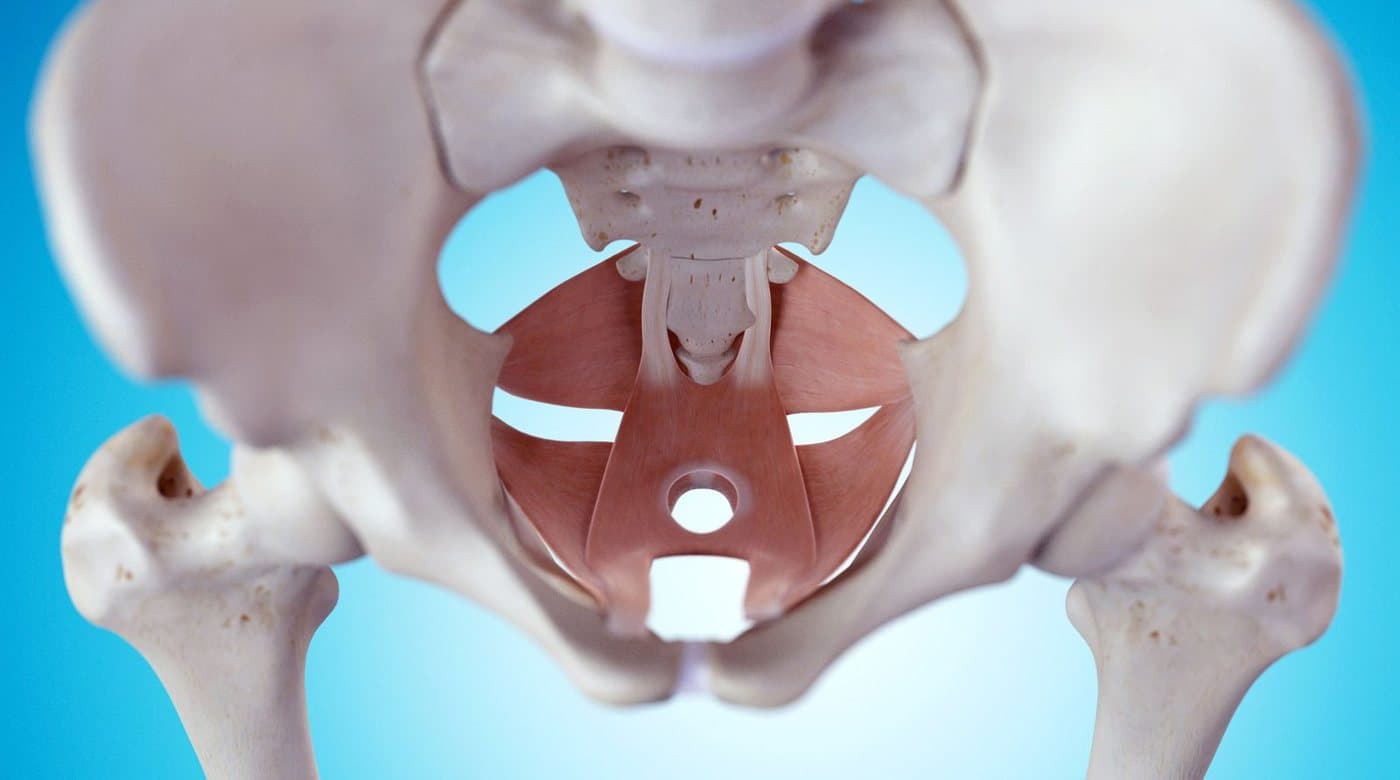
The pelvic floor is a group of muscles at the base of the torso. Picture a hammock slung across the bottom of the pelvis. It supports the bladder, the bowel and the pelvic organs: the uterus and vagina in women, the prostate in men.
These muscles do not work alone. They team up with the abdominal muscles, the back and the diaphragm, the breathing muscle under your ribs. When the pelvic floor muscles become weakened, stretched, overly tight or injured, the result is called pelvic floor dysfunction.
Why do I leak when I cough, sneeze, laugh or exercise?
That pattern has a name: stress urinary incontinence, usually shortened to stress incontinence. It means leaking urine with a cough, a sneeze or exercise. People are often relieved just to learn that it has a name and that it is well known to pelvic floor specialists.
It is a common pelvic floor concern, and it shows up in runners and new parents as well as in older adults.
Is leaking just a normal part of having kids or getting older?
Common, yes. Pregnancy, childbirth and changes with age are all on the list of things that can contribute. So are chronic coughing, chronic constipation, heavy lifting, high-impact exercise such as running, and pelvic surgery.
Common is not the same as something you simply have to live with. Pelvic floor physical therapy may help improve bladder control, which makes it worth asking about before you start planning your day around bathrooms.
What causes pelvic pain?
Pelvic pain has many possible causes, and some have nothing to do with muscles. That is why new, severe or unexplained pain belongs with a physician first.
When the pelvic floor is part of the picture, the problem can be muscles that stay tight or go into spasm. People describe pain in the pelvis, bladder or rectum, in the groin or tailbone, during intercourse, or during bowel movements. In men, long periods of sitting, stress and direct injury to the area can all play a role.
Should I just do Kegels?
Kegels are the pelvic floor exercise almost everyone has heard of, but they are not the whole story. Pelvic floor muscles can be weakened, and they can also be overly tight.
Pelvic floor therapy uses exercises to strengthen, to relax and to retrain the muscles. Which of those you need depends on what an evaluation finds.
What does a pelvic floor specialist actually do?
A pelvic floor specialist is a licensed physical therapist who works with the pelvic floor and the muscles around it. A first visit is an individualized evaluation in a private room, and it starts with a conversation about your symptoms and your goals.
Your therapist explains each part of the assessment before it happens. It may include looking at the back, pelvis, hips and abdomen, and checking the pelvic floor muscles for tone, flexibility and tenderness. From there, a plan usually combines hands-on care with exercises for the pelvic floor, core, back and diaphragm, plus exercises to do at home.
Is the exam internal? Do I have to?
No. This is the worry that keeps many people from booking, so it is worth being clear. Many pelvic floor concerns can be addressed with external, non-invasive approaches. Any internal assessment is discussed with you first, used only when it is appropriate for your condition, and done only with your consent. You can decline or stop at any time.
Is pelvic floor therapy only for women?
No. Men have a pelvic floor too, and pelvic floor dysfunction in men is common but often overlooked. It can show up as leaking or urinary frequency, as pelvic, groin or tailbone pain, as bowel concerns, or as sexual health concerns linked to the pelvic floor muscles.
How do I know it is time to see someone?
You do not need to wait until symptoms take over your day. These are the concerns people most often bring to a pelvic floor specialist:
- Leaking with a cough, sneeze, laugh or workout
- A feeling of pressure or heaviness in the pelvis
- Pelvic, bladder, rectal, groin or tailbone pain
- Pain during intercourse
- Constipation, straining or pain during bowel movements
- Symptoms during or after pregnancy, or after pelvic surgery
If any of these sound familiar, it is a reasonable thing to raise with your doctor or a pelvic floor specialist.
Do I need a referral, and how many visits will it take?
California law does not require a prescription to start physical therapy, but some insurance plans still do, and Medicare requires one at the first visit. It is worth a quick call to your insurance company.
As for how many visits, there is no single number. It depends on your condition, your symptoms and your goals. Your therapist talks through a plan with you after the evaluation and adjusts it as you progress.
Where can I see a pelvic floor specialist in Irvine or Long Beach?
KOH Physical Therapy Lab offers pelvic floor physical therapy for women and men at our Irvine clinic, 9080 Irvine Center Dr. in Orange County, and our Long Beach clinic, 4401 Atlantic Ave #200. To schedule, text or call (949) 540-5641.
Most people sit on these questions for a long time before asking anyone. They are more common than they feel, and they have answers.
Common questions
What is stress incontinence?
Stress urinary incontinence is leaking urine with a cough, sneeze or exercise. It is a common pelvic floor concern.
Can pelvic floor physical therapy help with urinary incontinence?
Pelvic floor physical therapy may help improve bladder control, including stress urinary incontinence, with exercises that strengthen, relax and coordinate the pelvic floor together with the core, back and diaphragm. A therapist first evaluates what is contributing to your symptoms.
Does pelvic floor therapy always involve an internal exam?
No. Many pelvic floor concerns can be addressed with external, non-invasive approaches. Any internal assessment is discussed first, used only when it is appropriate for your condition, and done only with your consent. You can decline or stop at any time.
Can men have pelvic floor problems?
Yes. Pelvic floor dysfunction is common in men but often overlooked. It can show up as leaking or urinary frequency, pelvic, groin or tailbone pain, bowel concerns, or sexual health concerns linked to the pelvic floor muscles.
Do I need a referral to see a pelvic floor specialist in California?
California law does not require a prescription to start physical therapy, but some insurance plans still do, and Medicare requires one at the first visit. Check with your insurance company.
Where can I see a pelvic floor specialist in Irvine or Long Beach?
KOH Physical Therapy Lab offers pelvic floor physical therapy for women and men at 9080 Irvine Center Dr. in Irvine and 4401 Atlantic Ave #200 in Long Beach. Text or call (949) 540-5641.
For educational purposes only. This article is general information and is not medical advice. It does not replace an evaluation by a licensed healthcare provider. If you think you are having a medical emergency, call 911.
Watch
Related video
Diaphragmatic breathing
From the KOH Physical Therapy Lab YouTube channel. See more exercise and technique videos
Have questions about physical therapy?
Learn more about KOH Physical Therapy Lab services, or request an appointment.