

Treatments & Techniques
Fascia: The Tissue Most People Have Never Heard Of, and the Therapy Built Around It
What fascia is, what tight fascia feels like and how fascial manipulation works: a plain guide to this hands-on physical therapy method and the research.
Published
On this page
For a long time, fascia was thought of as simple filler: the packing material around bones, ligaments, tendons and muscles. That view has changed, and so has the way physical therapists treat it.
Here is what fascia is, what it feels like when it tightens, and how a hands-on method called fascial manipulation works.
What is fascia?
Fascia is connective tissue found throughout the body, a web of connective fibers. Today it is recognized as a network rich in nerve endings that helps sense and coordinate movement, and some researchers describe it as a sensory organ.
Some researchers describe it as a sensory organ.
What happens when fascia gets tight?
Normally, a fluid between the layers of fascia lets them slide over one another as you move. After trauma or ongoing tension, that fluid can thicken and the layers can stick together.
These adhesions can trap small nerves and blood vessels, which may contribute to pain, stiffness and swelling. Because fascia contains many nerve endings, it can be very sensitive, and when it is stressed or injured it can tighten.
What does tight fascia feel like?
- Deep, aching pain in a muscle
- Pain that feels better with movement
- Pain that responds well to heat
- A "knot" in a muscle
What is fascial manipulation?
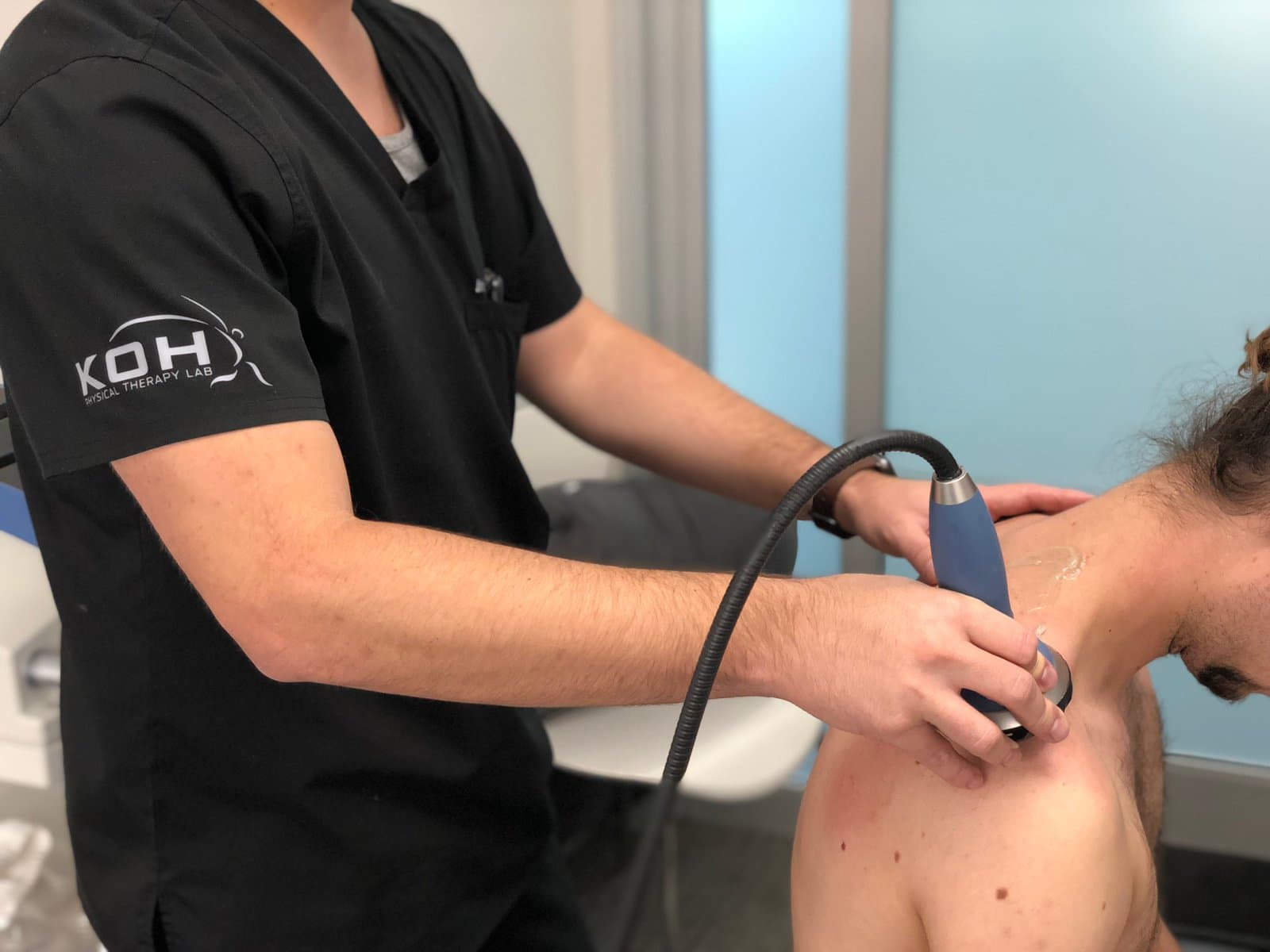
Fascial Manipulation® (FM) is a manual therapy method that targets muscles and fascia to improve musculoskeletal pain and stiffness, while aiming to restore muscular balance, increase flexibility and improve coordination.
It is not the same as Active Release Technique (ART) or myofascial release. It follows its own system for assessing the whole myofascial system and treating specific points in the fascia. Beyond easing a specific area, it aims to change how that region and the brain communicate, to improve movement control.
How does a treatment work?

Treatment starts with a comprehensive evaluation of the myofascial system to identify stiffness and restrictions in coordination and movement.
Your therapist then directs treatment to specific points in the fascia, which the method calls Centers of Coordination and Centers of Fusion. The aim is to reduce fascial adhesions and restore normal gliding of the soft tissue.
As movement improves, nearby joints and soft tissues are relieved of strain, which may reduce pain and support healing.
Does fascial manipulation hurt?
It depends on the severity and location of the injury. Treatment can feel very relaxing, or it can be uncomfortable or even painful when the tension is deep and needs a lot of pressure.
Side effects usually last a few days, and not everyone has them. They can include bruising, swelling, soreness and sensitivity.
What does the research show?
In a 2019 pragmatic clinical trial of 102 people with low back pain, the group treated with fascial manipulation had greater improvements in pain, disability and their own rating of change than the group that received standard physical therapy. The authors concluded that fascial manipulation may be an effective treatment for low back pain.
As with any treatment, results vary from person to person. Some people notice less pain and better mobility after one session, and it often takes several treatments to fully address an injury. Your physical therapist uses fascial manipulation as one part of a plan that usually includes exercise.
Who is fascial manipulation for?
- People with low back, neck, hip, knee or shoulder pain
- People with foot and ankle pain
- People with jaw (TMJ) pain or tension headaches
- People with deep, aching muscle pain, a "knot" in a muscle, or pain that eases with movement or heat
Reference
- Harper B, Steinbeck L, Aron A. Fascial manipulation vs. standard physical therapy practice for low back pain diagnoses: a pragmatic study. J Bodyw Mov Ther. 2019;23(1):115-121.
Common questions
Does fascial manipulation hurt?
It depends on the severity and location of the injury. Treatment can feel very relaxing, or it can be uncomfortable or even painful when the tension is deep and needs a lot of pressure. Side effects such as bruising, swelling, soreness and sensitivity usually last a few days, and not everyone has them.
Is fascial manipulation the same as myofascial release or Active Release Technique?
No. Fascial manipulation is not the same as Active Release Technique (ART) or myofascial release. It follows its own system for assessing the whole myofascial system and treating specific points in the fascia.
How many fascial manipulation sessions will I need?
Some people notice less pain and better mobility after one session, and it often takes several treatments to fully address an injury. Your physical therapist uses fascial manipulation as one part of a plan that usually includes exercise.
For educational purposes only. This article is general information and is not medical advice. It does not replace an evaluation by a licensed healthcare provider. If you think you are having a medical emergency, call 911.
Watch
Related videos
A muscle stretch compared with a fascial stretch
A fascial stretch for the back and neck
From the KOH Physical Therapy Lab YouTube channel. See more exercise and technique videos

Have questions about physical therapy?
Learn more about KOH Physical Therapy Lab services, or request an appointment.