
Pelvic Health
Physical Therapy for Pelvic Pain: Where Shockwave Fits
Can shockwave therapy help chronic pelvic pain, Peyronie's disease or painful sex? What new research shows, and how pelvic physical therapy fits in.
Published
On this page
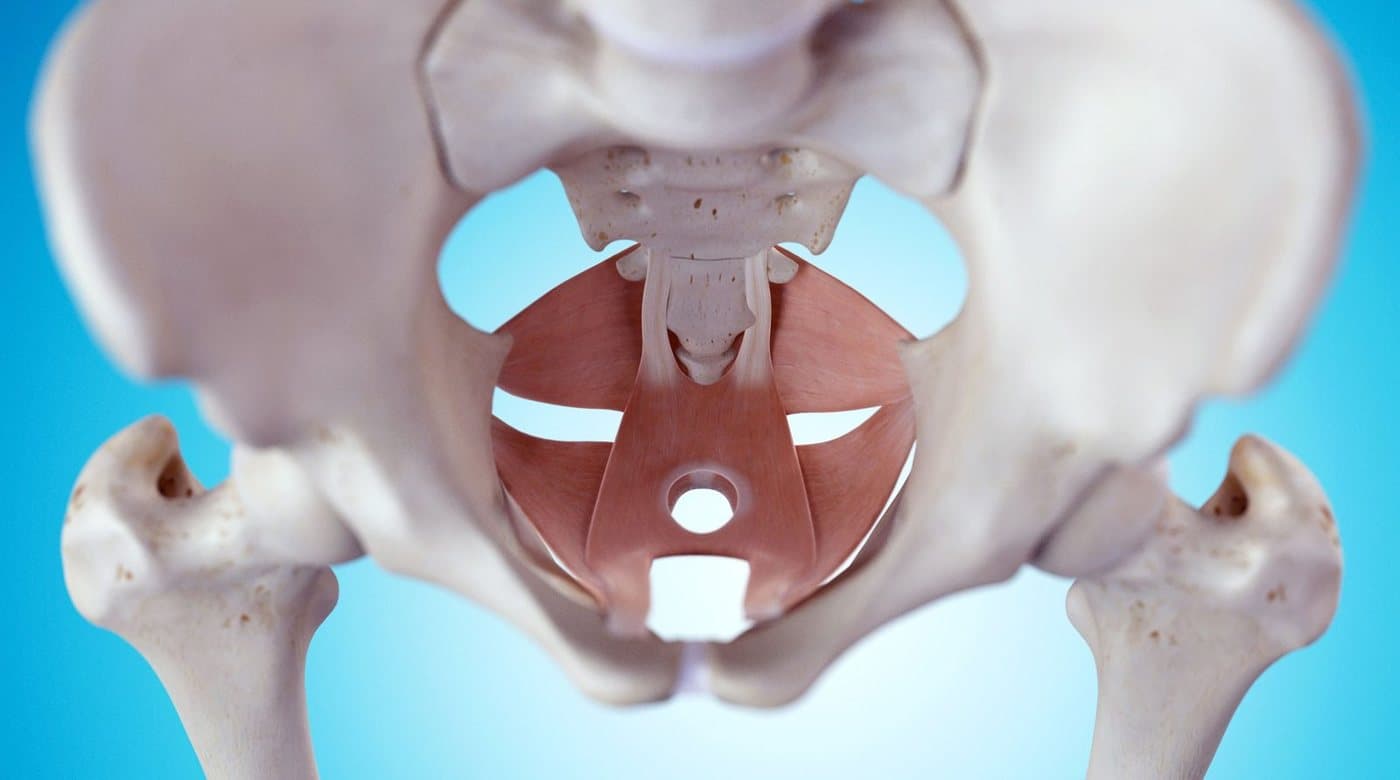
Physical therapy for pelvic pain looks at the muscles, fascia and nerves of the pelvic floor, which are often missed. Low-intensity shockwave therapy may add short-term pain relief for some people, with the most consistent research in men with chronic pelvic pain, but it is not a cure and works best as part of a broader plan.
Chronic pelvic pain is common, frustrating and often misunderstood. Many people spend years moving between specialists before anyone examines the muscles, fascia and nerves of the pelvic floor. Pain can also spill into sexual health, making intercourse painful or contributing to erectile problems, which adds stress and can strain relationships.
Low-intensity extracorporeal shockwave therapy (Li-ESWT) is increasingly promoted for these problems. This article looks at what recent research says about shockwave for three conditions: chronic prostatitis/chronic pelvic pain syndrome in men, Peyronie's disease, and provoked vestibulodynia in women. It also covers where physical therapy for pelvic pain fits, and what questions to ask before trying any device-based treatment.
What is shockwave therapy?
Shockwave therapy delivers short acoustic pulses through the skin into a target tissue. "Extracorporeal" means the energy is generated outside the body. In pelvic and sexual health, clinicians usually use low-intensity settings, applied to the perineum (the area between the scrotum or vulva and the anus), the penile shaft or the vulvar vestibule depending on the condition.
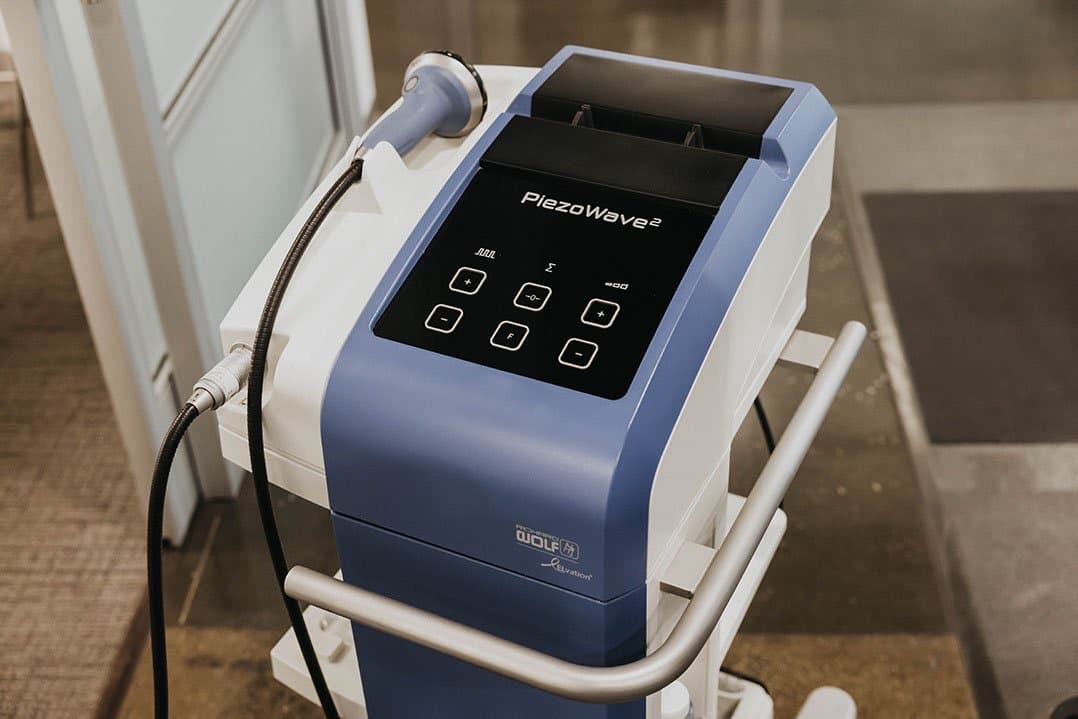
Devices differ. Focused shockwave concentrates energy at a set depth, while radial devices spread pressure waves more superficially. Proposed mechanisms include changes in local blood flow, reduced muscle tone and altered pain signaling, but these mechanisms are not yet fully understood in the pelvis.
Does shockwave therapy help chronic pelvic pain in men (CP/CPPS)?
CP/CPPS is pelvic pain in men lasting three months or more, often with urinary symptoms and sexual dysfunction, and usually without an active infection. It is one of the best-studied uses of pelvic shockwave.
- A 2026 meta-analysis. Wu and colleagues, writing in the Journal of Clinical Medicine, pooled eight randomized controlled trials with 455 participants. Shockwave reduced total scores on the NIH Chronic Prostatitis Symptom Index (NIH-CPSI) compared with sham or standard medical therapy, by about 8.5 points on average. The improvement came mainly from the pain domain. Benefit appeared whether shockwave was used alone or added to medication. Serious treatment-related side effects were not reported, though safety reporting was inconsistent between trials. The authors flagged very high heterogeneity, meaning results differed considerably from trial to trial, and called their device comparisons exploratory.
- A 2024 sham-controlled trial. Hur and colleagues in Prostate International randomized 46 men with CP/CPPS to weekly perineal shockwave or a placebo treatment for eight weeks. Symptom scores improved more in the shockwave group four weeks after treatment ended, as did pain and quality-of-life scores. Scores on the International Index of Erectile Function (IIEF) also improved more with shockwave at follow-up. No severe adverse events occurred. The trial was small and follow-up was short.
Evidence quality: moderate in quantity but limited in certainty. Trials are small, protocols vary and long-term follow-up is scarce.
Does shockwave therapy work for Peyronie's disease?
Peyronie's disease is a fibrous plaque in the tunica albuginea, the tough sheath around the erectile tissue, that can cause penile curvature, pain with erection and erectile difficulty.
- A 2024 meta-analysis. Li, Xu and Man, in BMC Urology, analyzed seven controlled studies involving 475 men. Compared with controls, Li-ESWT was associated with a higher proportion of men reporting pain relief and a higher proportion with some plaque reduction or curvature improvement. However, actual measured changes in plaque size and curvature angle were not statistically significant, and erectile function scores did not differ. Studies were small, mixed in design and mostly followed men for about six months.
- What guidelines say. The American Urological Association's Peyronie's disease guideline (2015) recommends against using shockwave to reduce curvature or plaque size, but says clinicians may offer it to improve penile pain.
Evidence quality: reasonable support for pain relief; weak or no support for straightening the penis or shrinking plaque.
Can shockwave therapy help painful intercourse in women?
Provoked vestibulodynia is pain at the vulvar vestibule, the entrance to the vagina, triggered by touch or penetration. It is a common cause of dyspareunia (painful intercourse).
- A 2021 randomized trial. Gruenwald and colleagues, publishing in The Journal of Sexual Medicine, randomized 32 women to 12 sessions of low-intensity shockwave or a sham treatment over six weeks. The shockwave group reported progressively less pain with intercourse, better sexual function scores and higher pain thresholds on pressure testing at one and three months. The sham group showed little change.
- Important caveats. This was a small, single-center study with an uneven split (23 active versus 9 sham). Many participants still had sexual dysfunction at the end, and commentators described the approach as experimental. We did not find larger confirmatory trials to include here.
Evidence quality: early and promising, but preliminary.
Where does pelvic physical therapy fit?
Shockwave research sits alongside a longer track record for hands-on pelvic physical therapy. A landmark 2012 multicenter randomized trial by FitzGerald and colleagues in The Journal of Urology studied 81 women with interstitial cystitis/painful bladder syndrome and pelvic floor tenderness. After 10 sessions, 59% of women who received pelvic floor myofascial physical therapy were rated as responders, compared with 26% who received general therapeutic massage. Individual symptom scores improved in both groups without significant differences between them, a reminder that responses vary.
What does this mean in plain language?
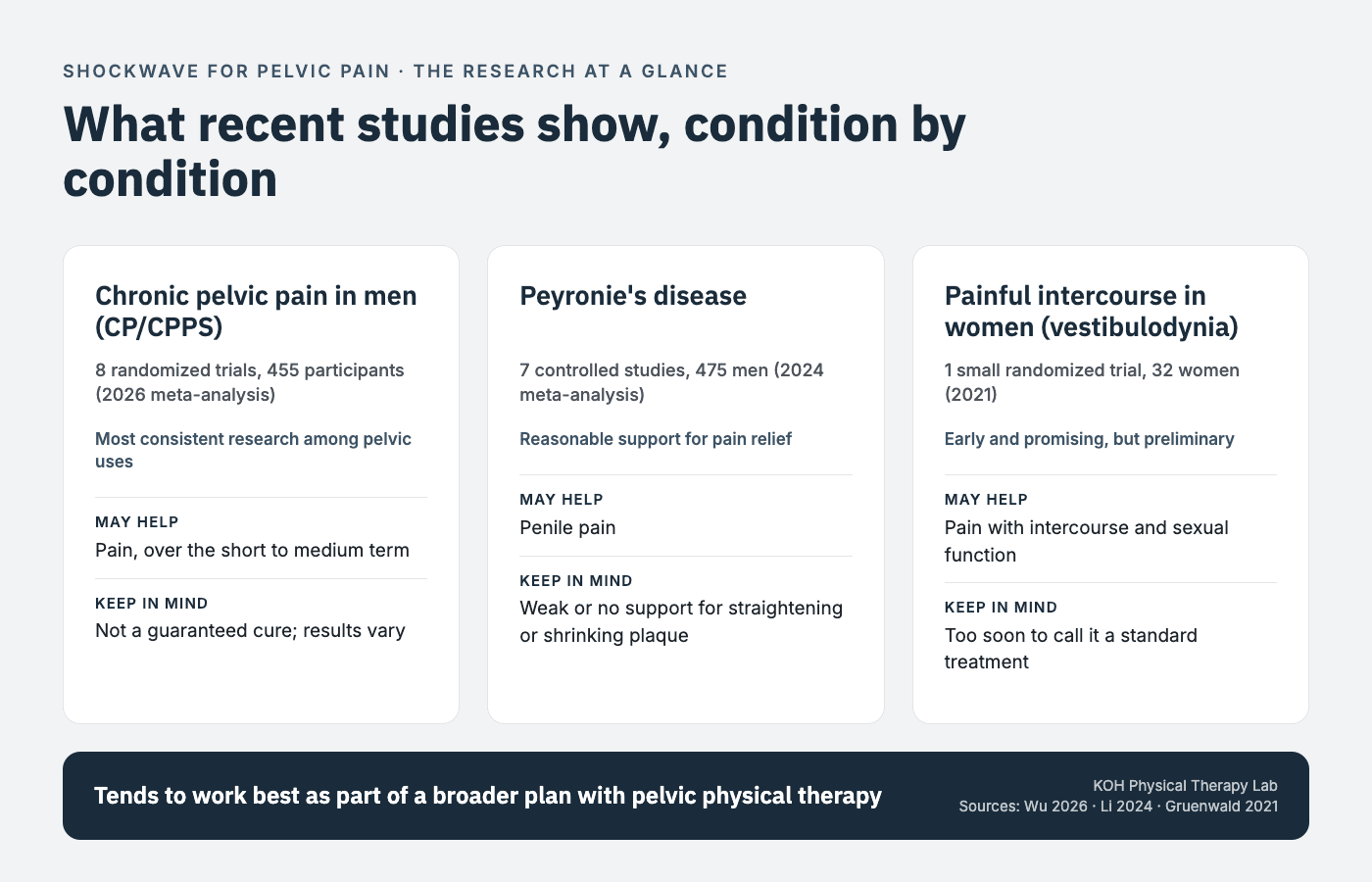
- For men with chronic pelvic pain (CP/CPPS): shockwave has the most consistent research among pelvic uses. It appears to reduce pain for many men over the short to medium term, and one trial suggested benefits for erectile function. It is not a guaranteed cure, and results vary.
- For Peyronie's disease: shockwave may ease pain but should not be expected to straighten the penis or dissolve plaque.
- For painful intercourse in women: early research is encouraging, but it is too soon to call shockwave a standard treatment.
- Safety: across these studies, side effects were generally mild and short-lived. Long-term data are limited.
- Pelvic pain is rarely one problem. Muscle guarding, fascial restriction, nerve sensitivity, bladder and bowel habits, stress and sleep can all contribute. Device-based treatments tend to work best as part of a broader plan.
Pelvic pain is rarely one problem.
What should you know before trying shockwave for pelvic pain?
- Get a proper diagnosis first. Pelvic pain can stem from urologic, gynecologic, gastrointestinal, musculoskeletal or nerve-related causes. Infection, hernia, endometriosis and other conditions need medical evaluation.
- Ask about the protocol. Find out which device type will be used, how many sessions are planned, how progress will be measured and when to stop if it isn't helping.
- Be wary of promises. No current evidence supports guaranteed or permanent results for pelvic or sexual conditions.
- Pair treatment with active care. Pelvic floor relaxation and coordination training, breathing strategies, graded return to activity and sexual health education address factors a device cannot.
- Involve your physician. Urologists, gynecologists and primary care providers should be part of the team, especially when sexual dysfunction may signal cardiovascular, hormonal or metabolic issues.
When should you see a physical therapist for pelvic pain?
Consider a pelvic health physical therapy evaluation if you have:
- Pelvic, perineal, genital or tailbone pain lasting more than a few months
- Pain with sitting, intercourse, urination or bowel movements
- A diagnosis such as CP/CPPS, interstitial cystitis, vestibulodynia or pelvic floor dysfunction
- Questions about whether shockwave therapy is appropriate for you
A pelvic health physical therapist can assess the pelvic floor muscles, surrounding fascia, hips and lower back, build an individualized program, and coordinate with your physician about adjunct options such as shockwave.
Schedule with KOH Physical Therapy Lab
At KOH Physical Therapy Lab, our physical therapists provide evidence-based, private and compassionate care for pelvic pain. If you're wondering whether shockwave or other treatments belong in your plan, schedule an evaluation and we'll walk you through the evidence and your options.
References
- Wu MJ, Kao CC, Yang MH, Tsao CW, Chen CL. Optimizing the use of extracorporeal shock wave therapy for CP/CPPS: a modality-based systematic review and meta-analysis comparing focused and radial devices. J Clin Med. 2026;15(3):1270. doi:10.3390/jcm15031270
- Hur KJ, Bae WJ, Ha US, et al. Safety and efficacy of extracorporeal shockwave therapy on chronic prostatitis/chronic pelvic pain syndrome: a prospective, randomized, double-blind, placebo-controlled study. Prostate Int. 2024;12(4):195-200.
- Li G, Xu X, Man L. Low-intensity extracorporeal shock wave therapy for Peyronie's disease: a systematic review and meta-analysis. BMC Urol. 2024;24:217. doi:10.1186/s12894-024-01607-4
- Nehra A, Alterowitz R, Culkin DJ, et al. Peyronie's Disease: AUA Guideline. American Urological Association; 2015.
- Gruenwald I, Gutzeit O, Petruseva A, Gartman I, Lowenstein L. Low-intensity shockwave for treatment of vestibulodynia: a randomized controlled therapy trial. J Sex Med. 2021;18(2):347-352.
- FitzGerald MP, Payne CK, Lukacz ES, et al. Randomized multicenter clinical trial of myofascial physical therapy in women with interstitial cystitis/painful bladder syndrome and pelvic floor tenderness. J Urol. 2012;187(6):2113-2118. PMCID: PMC3351550
Common questions
Can shockwave therapy help chronic pelvic pain in men?
It appears to help many men with chronic prostatitis/chronic pelvic pain syndrome (CP/CPPS) over the short to medium term. A 2026 meta-analysis of eight randomized trials found that shockwave lowered symptom scores by about 8.5 points on average compared with sham or standard medical therapy, mostly through less pain. Trials were small, protocols varied and long-term follow-up is scarce.
Does shockwave therapy work for Peyronie's disease?
It may ease penile pain, but it should not be expected to straighten the penis or shrink plaque. In a 2024 meta-analysis, measured changes in plaque size and curvature were not statistically significant. The American Urological Association guideline recommends against shockwave to reduce curvature or plaque size, but says clinicians may offer it to improve pain.
Can shockwave therapy help painful intercourse in women?
Early research is encouraging but preliminary. A small 2021 randomized trial in women with provoked vestibulodynia found less pain with intercourse and better sexual function after 12 sessions compared with sham. It was a single-center study of 32 women, and larger confirmatory trials are still needed.
Is shockwave therapy for pelvic pain safe?
Across these studies, side effects were generally mild and short-lived, and no severe adverse events were reported in the trials described here. Safety reporting was inconsistent between trials, and long-term data are limited.
Should I see a pelvic physical therapist for pelvic pain?
Consider a pelvic health physical therapy evaluation if pelvic, perineal, genital or tailbone pain has lasted more than a few months, or if you have pain with sitting, intercourse, urination or bowel movements. Get a medical evaluation first to rule out infection, hernia, endometriosis and other conditions.
For educational purposes only. This article is general information and is not medical advice. It does not replace an evaluation by a licensed healthcare provider. If you think you are having a medical emergency, call 911.
Watch
Related video
Diaphragmatic breathing
From the KOH Physical Therapy Lab YouTube channel. See more exercise and technique videos
Have questions about physical therapy?
Learn more about KOH Physical Therapy Lab services, or request an appointment.