
Treatments & Techniques
Manual Therapy, Explained: What It Is, What It Is Used For and What to Expect
What is manual therapy in physical therapy, how does it differ from other treatment, and what is it used for? Plain answers, with the hands-on techniques explained.
Published
Most people picture exercise when they think of physical therapy. Hands-on treatment is the other half of the work for many patients, and it has a name: manual therapy.
Here is what it is, how it differs from other treatment, what it is used for, and how the hands-on techniques you may hear about relate to each other.
On this page
What is manual therapy?
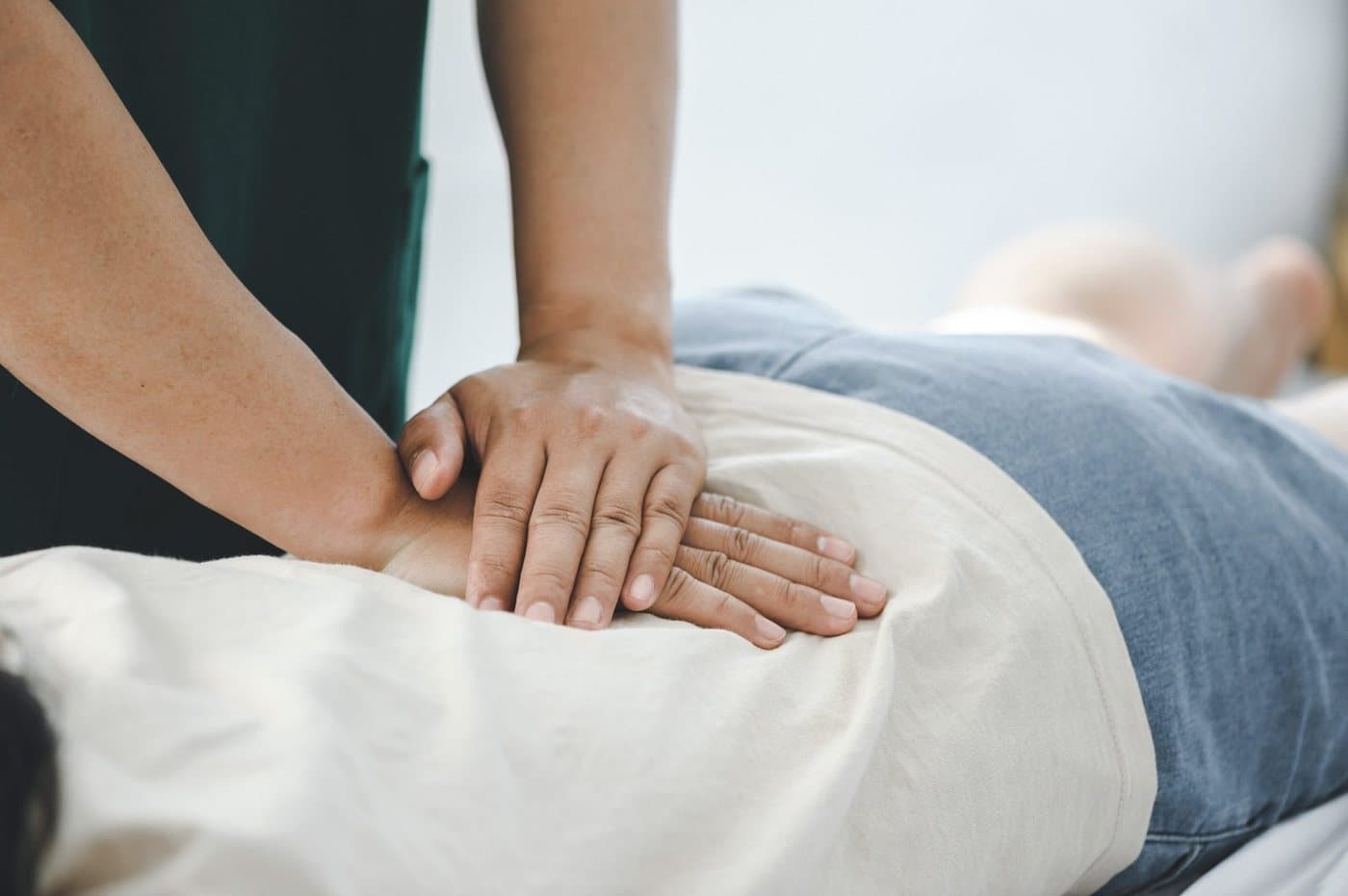
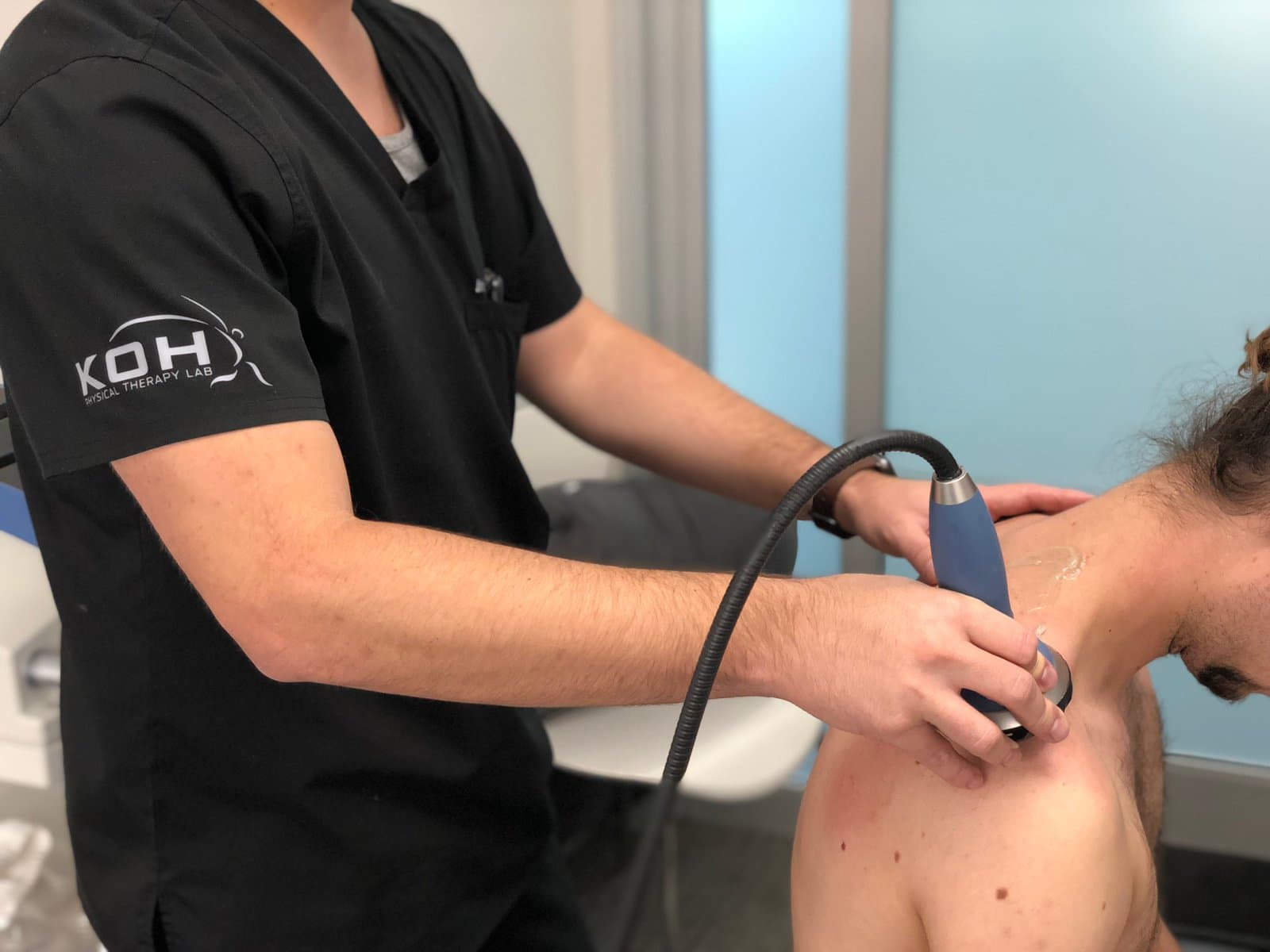
Manual therapy is a specialized form of physical therapy that focuses on hands-on treatment of muscles, joints and connective tissues.
It aims to ease pain, improve mobility and promote overall wellness by treating the body's soft tissue and joints. Therapists use a range of techniques, chosen for each person, to support healing and restore function.
How does manual therapy work?
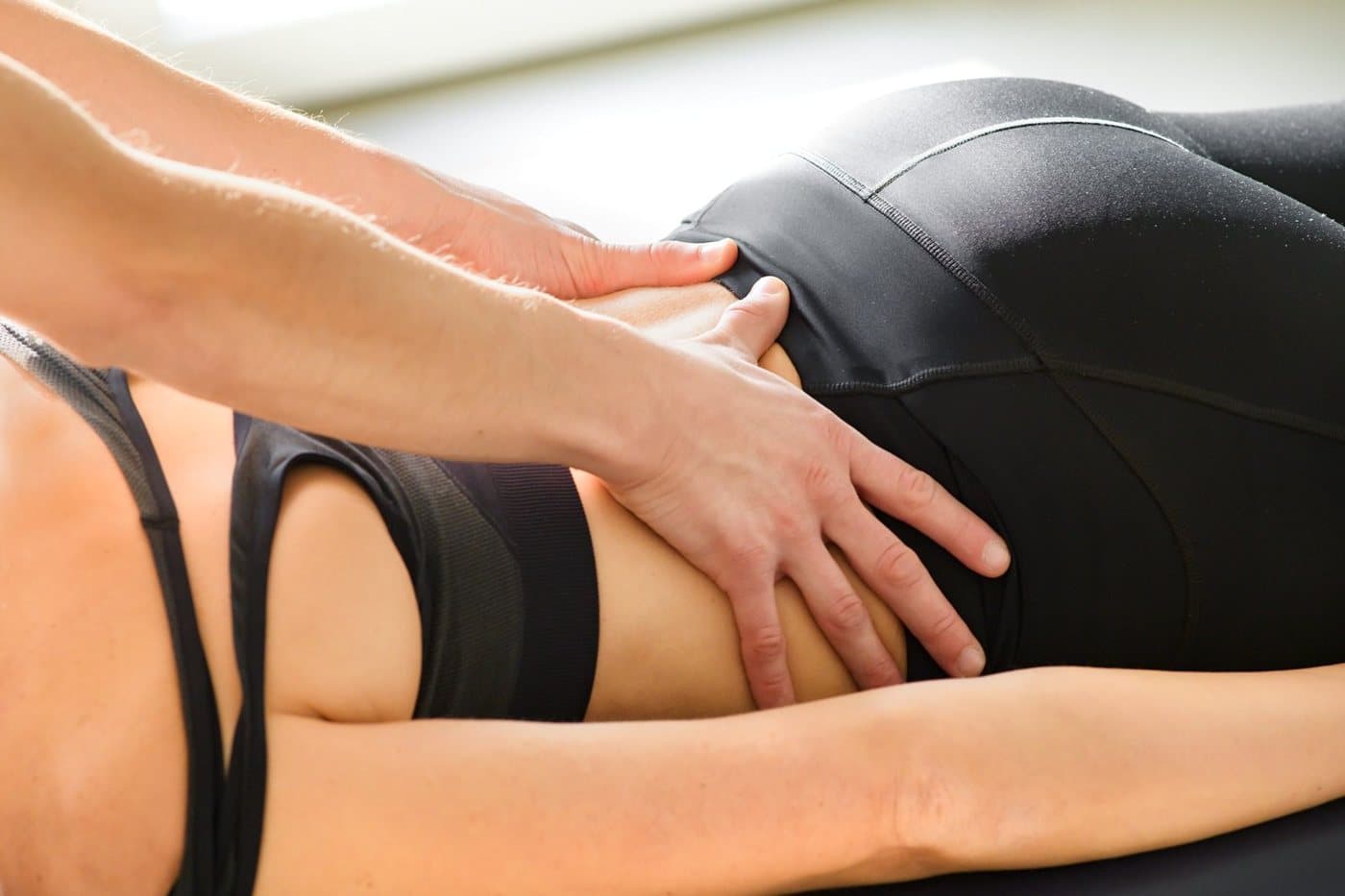
Your physical therapist uses their hands to move and mobilize soft tissue and joints. This differs from approaches that rely mainly on machines, exercise equipment or modalities such as electrical stimulation.
How is it different from other treatment?
- Immediate feedback: your therapist feels how muscle tension and joint mobility respond during treatment and adjusts technique in real time.
- A whole-body view: treatment looks at how body regions work together, aiming at the underlying cause of pain and stiffness, not only the sore spot.
- Tailored to you: techniques are chosen for your needs and adjusted to how your body responds.
What is manual therapy used for?
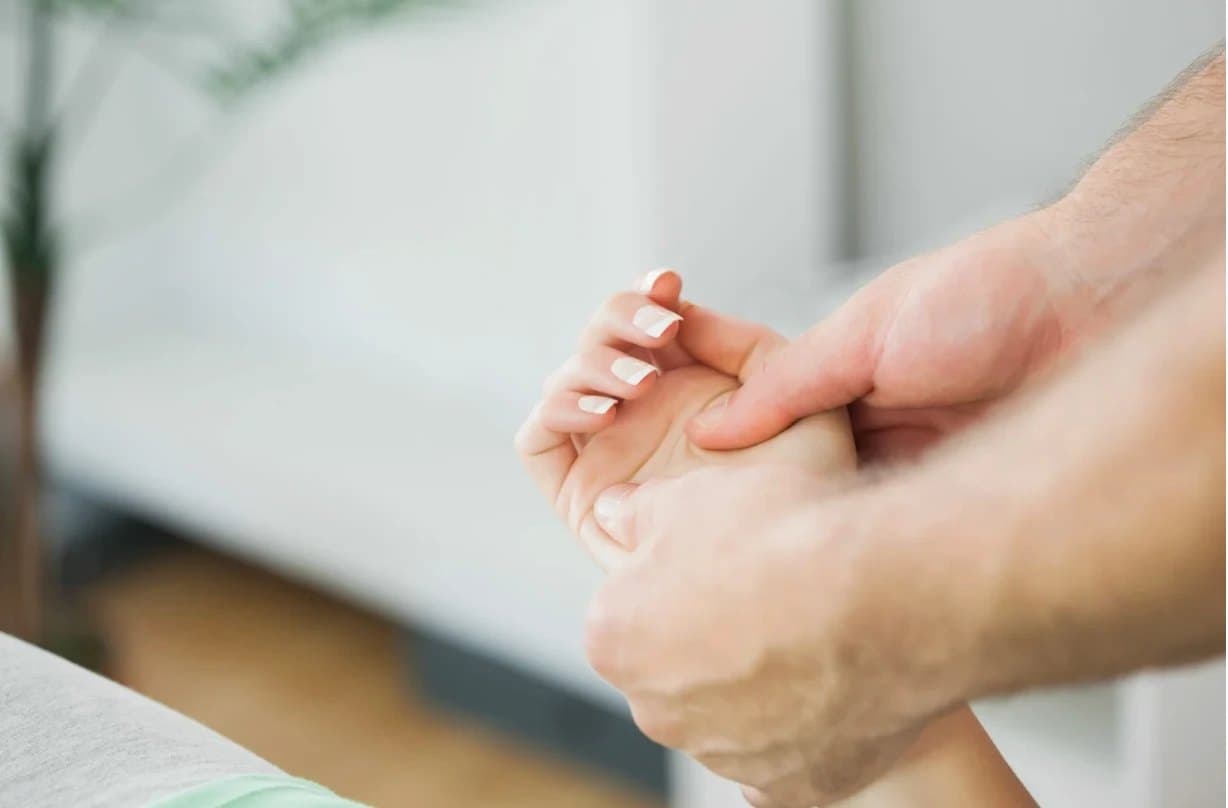
Manual therapy is commonly used, together with exercise, for low back and neck pain and stiffness. It is also used for:
- Musculoskeletal pain: chronic back pain, neck pain, shoulder pain, and joint pain in the knee, hip, hands, feet and spine
- Soft tissue injuries: strains and sprains, tendinitis and muscle spasms
- Recovery from orthopedic surgery, such as joint replacements and repairs
- Headaches: tension-type headaches and migraines
- Sports injuries: overuse injuries and muscle imbalances
- Jaw and posture: TMJ disorders, postural pain syndromes, and pain from prolonged sitting or repetitive movement
What may it help with?
- It may help reduce both chronic and acute pain, making everyday movement more comfortable.
- It can help increase range of motion and flexibility, so you move more freely.
- It may support recovery from injury by improving circulation and easing muscle tension.
- It helps restore function and mobility after surgery as part of your rehabilitation.
Results vary from person to person. Your therapist uses manual therapy as one part of a plan that usually includes exercise.
Which hands-on techniques might my therapist use?
Manual therapy is a family of techniques, not a single one. These are four you may hear named, each with its own page:
Fascial manipulation
Fascial manipulation is a manual therapy technique for treating pain from soft tissue injury. It targets muscles and fascia to help ease musculoskeletal pain and stiffness and improve how you move.
Active Release Technique (ART)
Active Release Technique (ART) is a non-invasive, movement-based soft tissue technique designed to locate and treat soft tissue problems. Your physical therapist applies pressure to a tight area while you move it.
Myofascial release
Myofascial release is a specialty hands-on technique. Your specialist applies gentle, sustained pressure to tight or restricted fascia, the connective tissue around your muscles, to help ease pain and help you move more freely.
Instrument assisted soft tissue mobilization (IASTM)
Instrument assisted soft tissue mobilization (IASTM) is a treatment option for muscle, ligament, and tendon injuries. Specially designed instruments help your physical therapist find and treat scar tissue, restrictions, and adhesions.
For a closer look at one of these, read our article on fascial manipulation.
For back pain specifically, see our article on spinal manipulation for back pain.
How do I know if manual therapy is right for me?
Your therapist decides during your evaluation whether manual therapy fits your plan; it is usually combined with exercise.
We see patients at all our locations. Text or call (949) 540-5641 to schedule.
Common questions
What is manual therapy?
Manual therapy is a specialized form of physical therapy that focuses on hands-on treatment of muscles, joints and connective tissues. It aims to ease pain, improve mobility and promote overall wellness by treating the body's soft tissue and joints.
How is manual therapy different from other physical therapy treatment?
Your physical therapist uses their hands to move and mobilize soft tissue and joints. This differs from approaches that rely mainly on machines, exercise equipment or modalities such as electrical stimulation. Your therapist feels how muscle tension and joint mobility respond during treatment and adjusts technique in real time.
Is manual therapy used on its own?
Your therapist uses manual therapy as one part of a plan that usually includes exercise. Your therapist decides during your evaluation whether manual therapy fits your plan. Results vary from person to person.
Where can I get manual therapy at KOH Physical Therapy Lab?
We see patients at all our locations. Text or call (949) 540-5641 to schedule.
For educational purposes only. This article is general information and is not medical advice. It does not replace an evaluation by a licensed healthcare provider. If you think you are having a medical emergency, call 911.
Have questions about physical therapy?
Learn more about KOH Physical Therapy Lab services, or request an appointment.