
Dizziness & Balance
Dizzy, Unsteady or Dealing With Migraines? Where Physical Therapy Fits
Dizzy, off balance or getting headaches? Many people do not know a physical therapist can help. What vestibular rehabilitation is and who it is for.
Published
The room tilts when you roll over in bed. You stand up and need a second before you trust your feet. A headache settles in behind your eyes most afternoons. Most people take symptoms like these to a physician, which is the right first step. Far fewer know that a physical therapist may be part of the answer.
Physical therapy is not only for knees and shoulders. Here is where it fits for dizziness, vertigo, balance problems and headaches.
On this page
Can a physical therapist really help with dizziness?
Yes. There is a specialized form of physical therapy for exactly this, called vestibular rehabilitation. It is for people who experience dizziness, vertigo or balance problems, and it uses targeted exercise and balance training to help you feel steadier in daily life.
What is the vestibular system?
Your vestibular system, located in the inner ear and brain, helps you keep your balance, know where your body is in space, and coordinate movement. You never notice it until it stops working well.
When this system is disrupted by injury, illness or age-related changes, it can cause dizziness, lightheadedness, vertigo, unsteadiness and falls.
What is the difference between dizziness and vertigo?
People use the words interchangeably, but they describe different things. Vertigo is a spinning sensation. Dizziness is the broader word, and it can also mean feeling lightheaded or unsteady on your feet. Telling your therapist which one you feel, and when, is a useful place to start.
What causes vestibular problems?
Vestibular disorders happen when something disrupts the vestibular system. Things that can do that include:
- Inner ear infections
- Head trauma or injury, including concussion
- Stress and anxiety
- Aging
- Migraines
- Stroke
- Other chronic conditions
Where do migraines come in?
Migraines are on that list. They are one of the things that can disrupt the vestibular system, and balance problems linked to migraines are among the things vestibular rehabilitation is used for.
Migraine itself is a medical condition, and physical therapy does not replace care from your physician. Where a physical therapist comes in is the dizziness and unsteadiness that can come with it.
Can physical therapy help with headaches?
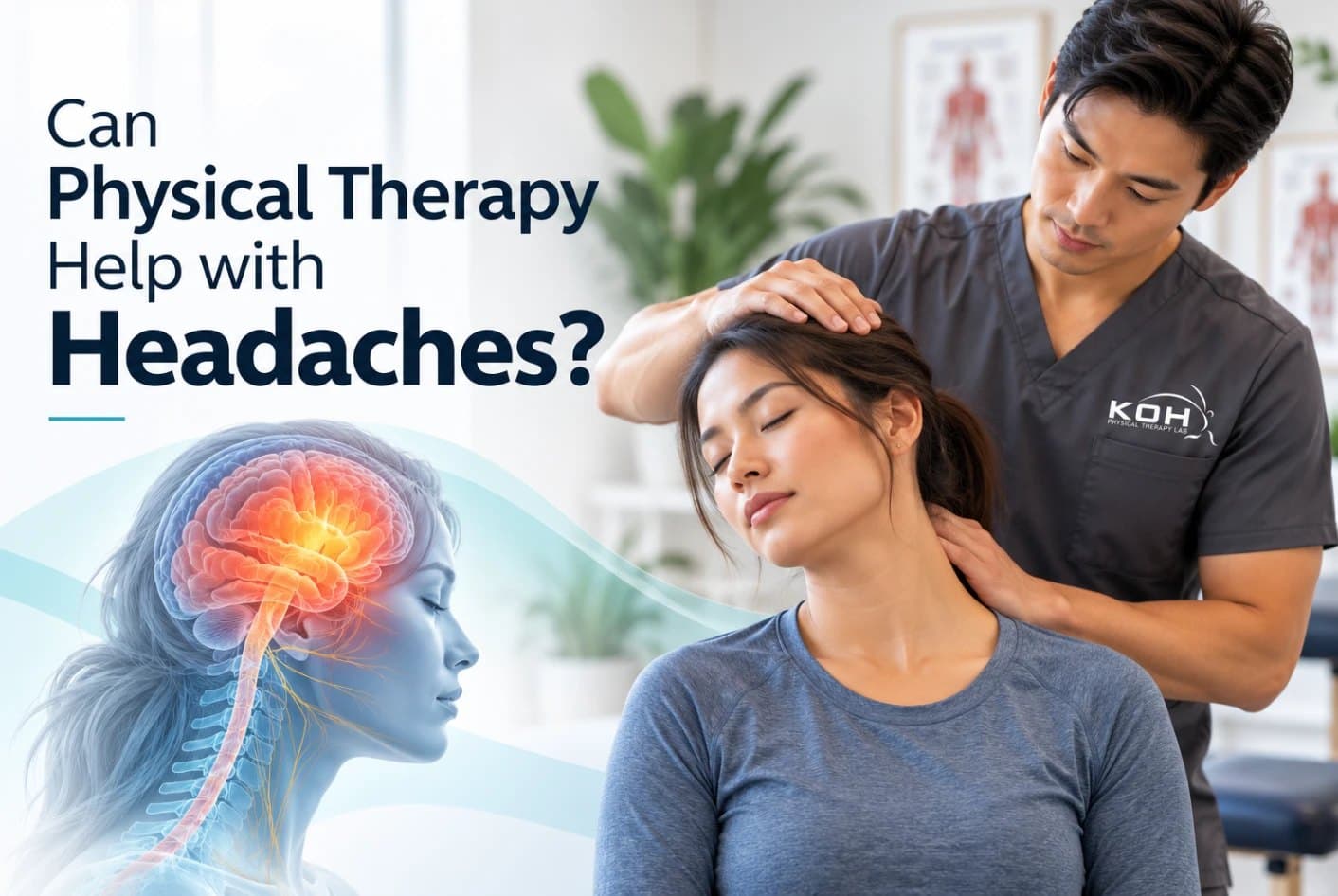
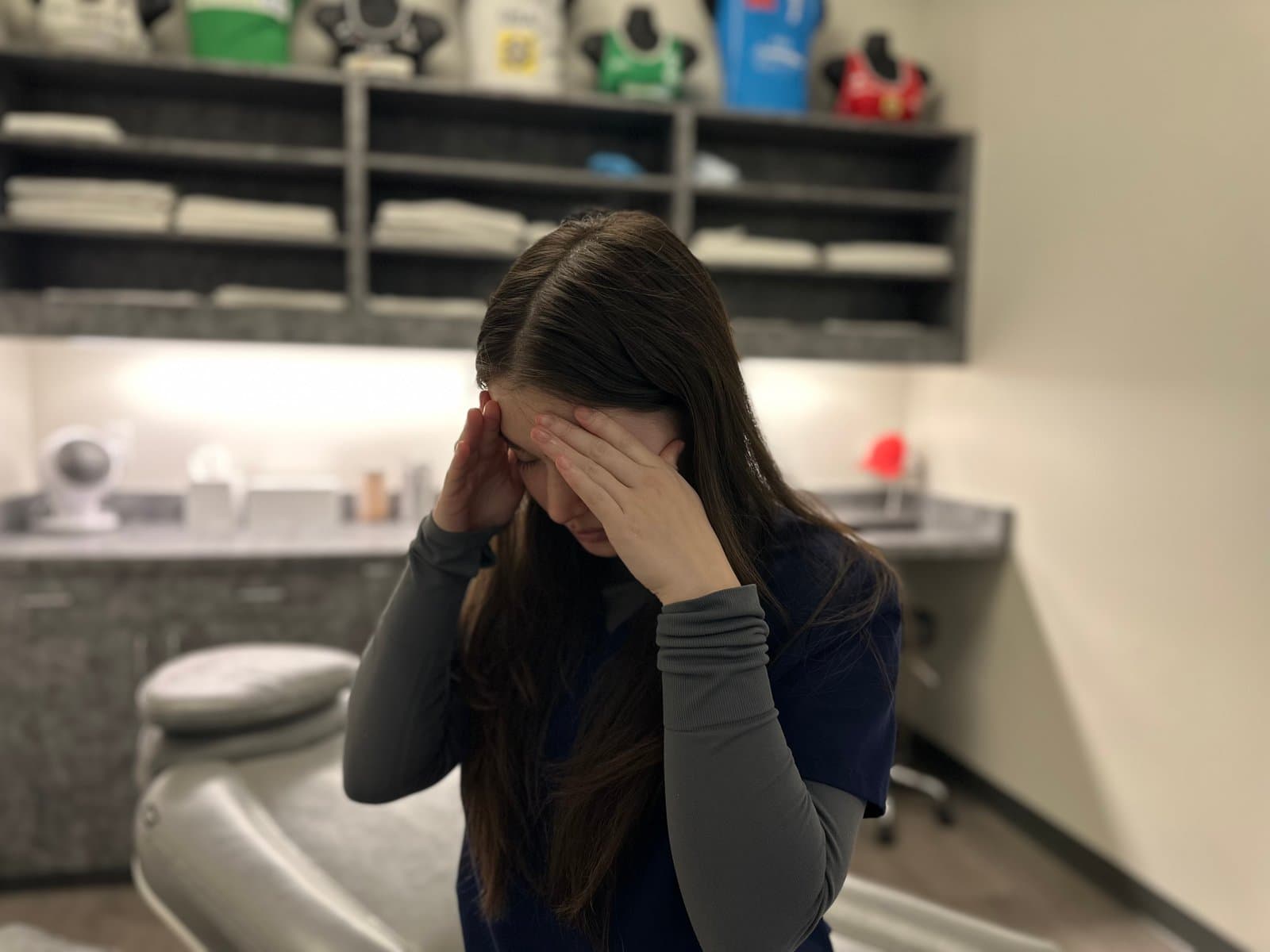
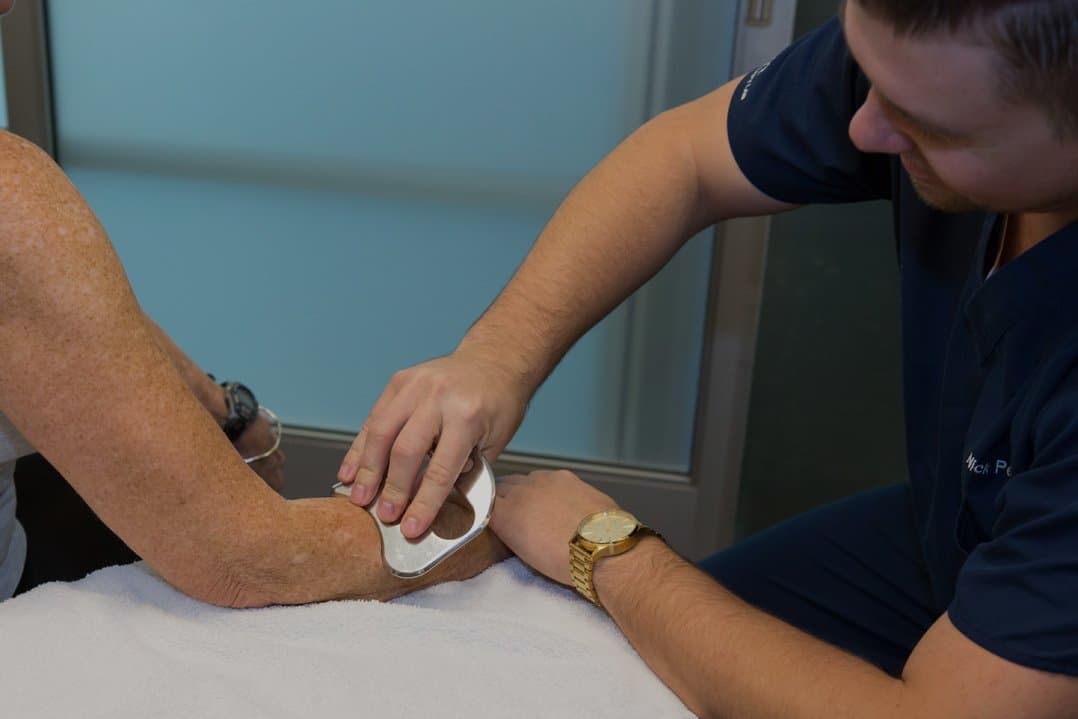
Manual therapy, the hands-on part of physical therapy, is used with tension-type headaches and migraines. It may help reduce how often tension-type headaches occur and how strong they are.
Jaw problems are often seen with neck pain or headaches, and a physical therapist can look at these together.
What does vestibular rehabilitation involve?
Vestibular rehabilitation uses targeted exercises, manual therapy and balance training to help your brain and body work together again. Your physical therapist assesses what is going on and builds a personalized plan to help you regain stability and confidence.
The goal is better balance and coordination, less dizziness, and more confidence moving through daily activities without fear of falling.
How might it help?
- May reduce dizziness and vertigo through targeted exercises
- Balance training can improve steadiness and may lower the risk of falls
- Can help your brain and body coordinate movement more comfortably
- May improve range of motion and ease with everyday activities
- Aims to build confidence and independence in daily life
Who is vestibular rehabilitation for?
- People who experience dizziness, lightheadedness or vertigo
- People who feel unsteady on their feet or have had falls
- People with balance problems after a concussion or head injury
- People with balance problems linked to inner ear infections, migraines, stroke or aging
Should I see a physician first?
Dizziness and headaches have many possible causes, and some need medical evaluation. If your symptoms suggest a condition that needs it, your therapist will recommend you see your physician. If you think you are having a medical emergency, call 911.
Do I need a referral?
California allows you to see a physical therapist directly for a limited period without a physician referral. Some insurance plans still require a referral or authorization, so check your benefits or coverage with your insurance plan before you start.
Feeling dizzy or off balance is easy to wave away as tiredness or getting older. It is worth asking about.
Common questions
Can physical therapy help with dizziness and vertigo?
Vestibular rehabilitation is a specialized form of physical therapy for people who experience dizziness, vertigo or balance problems. It may reduce dizziness and vertigo through targeted exercises, and balance training can improve steadiness and may lower the risk of falls.
What is vestibular rehabilitation?
It is physical therapy for the vestibular system, the part of the inner ear and brain that controls balance and spatial orientation. It uses targeted exercises, manual therapy and balance training to help your brain and body work together again.
Can physical therapy help with migraines?
Migraines are one of the things that can disrupt the vestibular system, and vestibular rehabilitation is used for balance problems linked to migraines. Manual therapy is also used with tension-type headaches and migraines, and may help reduce how often tension-type headaches occur and how strong they are. Physical therapy does not replace care from your physician.
Do I need a referral to see a physical therapist for dizziness?
California allows you to see a physical therapist directly for a limited period without a physician referral. Some insurance plans still require a referral or authorization, so check your benefits with your insurance plan before you start.
For educational purposes only. This article is general information and is not medical advice. It does not replace an evaluation by a licensed healthcare provider. If you think you are having a medical emergency, call 911.
Watch
Related videos
Balance training on a vibration plate
Hands-on work on the connective tissue around the head
From the KOH Physical Therapy Lab YouTube channel. See more exercise and technique videos
Have questions about physical therapy?
Learn more about KOH Physical Therapy Lab services, or request an appointment.